Yala Wild Safaris | from $13
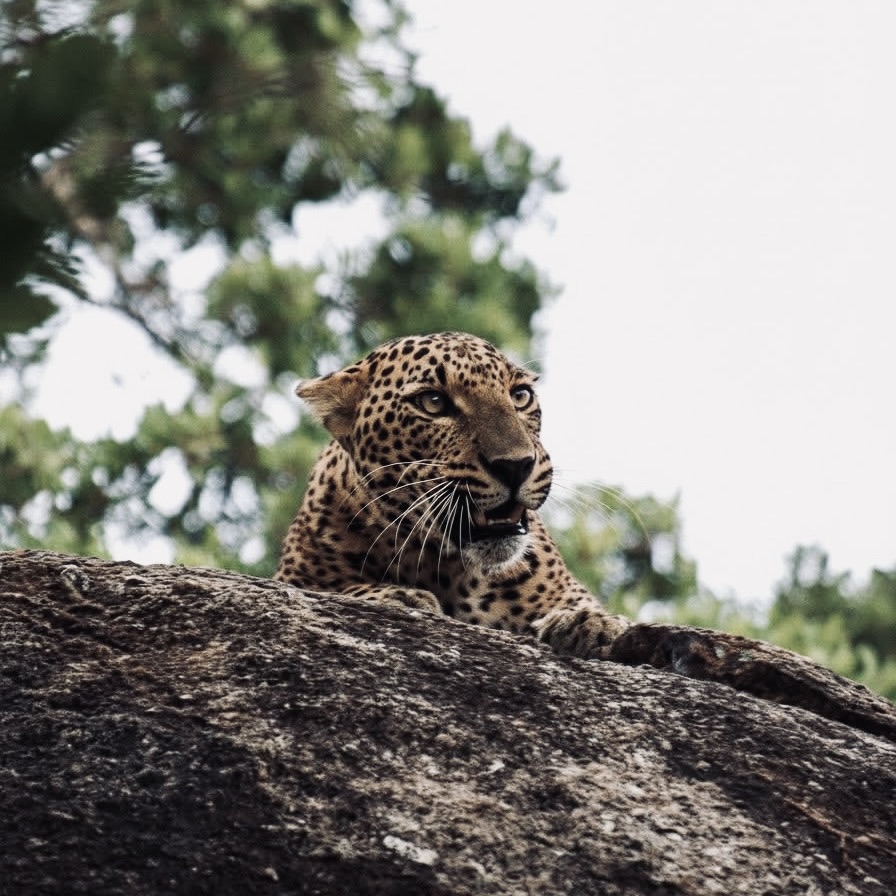
Join the Yala Wild Safari for just $13 per person a shared jeep safari through Yala National Park with an experienced driver and guide Looking for one of the most affordable ways to experience Yala …
Complete Sri Lanka weather guide 2026 monsoons, rainfall, temperature, best time to visit by region. Month-by-month breakdown for Yala, beaches, hill country. When to actually go.
The Question That Determines Everything Before you book flights. Before you plan which regions to visit. Before you decide between Yala or whale watching or hiking tea plantations you need to answer the foundational question: What's the weather actually like when I'm planning to go? This single question determines more about your trip than any other factor: * Which regions are accessible (west coast inaccessible in southwest monsoon) * Which wildlife you'll see (leopards visible in dry season, not green season) * Whether whale watching is possible (November–April only) * If beaches are swimmable (rough seas in monsoon season) * Which activities are available (hiking impossible in rain) * What you'll actually pack Sri Lanka has a complex weather system driven by two opposing monsoons. The same month can be perfect for one region and terrible for another. Most travelers don't understand this — they think "best time to visit Sri Lanka" has one answer. It doesn't. This guide teaches you the actual weather patterns, region by region, month by month, so you can plan around conditions instead of being surprised by them.
Part 1: The Monsoon System — Understanding Sri Lanka's Weather The Two Monsoons That Define the Island Sri Lanka's weather is controlled by two monsoon systems that blow in opposite directions at different times of year: Southwest Monsoon (May–September) * Affects: West coast, south coast, hill country * Characteristics: Strong winds, heavy rainfall (250–500 mm monthly) * Ocean state: Rough (3–5 metre swells, dangerous for swimming) * Impact: West coast inaccessible, hill country receives 80% of annual rainfall Northeast Monsoon (October–March) * Affects: East coast, north coast * Characteristics: Moderate winds, moderate rainfall (50–150 mm monthly) * Ocean state: Calm to moderate * Impact: East coast and north become more accessible Inter-Monsoon Periods (April–May, September–October) * Characteristics: Unpredictable (could be calm, could be rough) * Rainfall: Variable (50–200 mm monthly) * Wind: Light to moderate * Impact: Gamble season (good or bad conditions) Why This Matters for Your Trip The same island has different weather simultaneously in different regions. This is the crucial insight: When the southwest monsoon is battering the west coast (July), the south and southeast coasts (Yala, Mirissa) are in dry season with 0–20 mm rainfall. When the northeast monsoon is bringing rain to the east coast (November), the west coast (Colombo, Galle) is in dry season with clear skies. Understanding this means you can be somewhere experiencing perfect weather while other regions are being hammered by rain.
Part 2: Month-by-Month Weather Breakdown (Complete Region Coverage) JANUARY (Excellent Overall) Overall rating: ⭐⭐⭐⭐⭐ Excellent Colombo & West Coast: * Rainfall: 20–40 mm (minimal) * Temperature: 26–30°C (warm, pleasant) * Ocean: Calm to moderate * Assessment: Perfect weather Cultural Triangle: * Rainfall: 20–40 mm (minimal) * Temperature: 26–28°C (warm) * Assessment: Excellent visibility Hill Country (Ella, Kandy, Nuwara Eliya): * Rainfall: 80–120 mm (moderate) * Temperature: 18–24°C (cool) * Assessment: Good weather, possible afternoon showers South Coast (Mirissa, Galle, Unawatuna): * Rainfall: 50–80 mm (minimal) * Temperature: 27–30°C (warm) * Ocean: Calm * Assessment: Perfect for swimming and whale watching Yala National Park: * Rainfall: 10–20 mm (dry) * Temperature: 26–30°C (warm) * Wildlife: Excellent leopard probability (80–90%) * Assessment: Peak season, crowded East Coast (Arugam Bay, Trincomalee): * Rainfall: 80–120 mm (moderate) * Temperature: 27–30°C (warm) * Ocean: Moderate swells (not ideal for swimming) * Assessment: Better for wildlife than beaches Best activities: Whale watching (peak), Yala safari (peak), beaches, cultural sites Worst for: Avoiding crowds, budget travel (peak prices) Packing tips: Light clothes, sunscreen, light rain jacket (for hill country)
FEBRUARY (Peak Season Excellence) Overall rating: ⭐⭐⭐⭐⭐ Excellent (Peak Season) All regions: Weather similar to January, but slightly drier Colombo & West: 15–30 mm rainfall, 26–31°C Cultural Triangle: 15–30 mm, 26–28°C Hill Country: 60–100 mm, 18–24°C South Coast: 30–60 mm, 27–30°C Yala: 5–15 mm (extremely dry), 27–31°C, leopard probability 85–90% East Coast: 70–100 mm, 27–31°C Best for: Yala safaris (peak leopard season), whale watching, all outdoor activities Worst for: Budget (highest prices), avoiding crowds (most tourists) Note: February is peak season. Book everything 8+ weeks in advance.
MARCH (Transition Beginning) Overall rating: ⭐⭐⭐⭐ Very Good Colombo & West: 40–80 mm, 28–32°C (heating up) Cultural Triangle: 40–70 mm, 27–30°C Hill Country: 100–150 mm, 19–25°C (more rain) South Coast: 80–120 mm, 28–31°C (increasing rain) Yala: 20–40 mm, 28–32°C, leopard probability 70–80% East Coast: 120–180 mm, 28–31°C (notably wetter) Best for: Still Yala (good probability), beginning to avoid crowds, prices dropping Worst for: East coast (increasingly wet), whale watching fading Note: Southwest monsoon beginning, hill country getting wetter
APRIL (Transition & Risk) Overall rating: ⭐⭐⭐ Variable (Gamble Season) Colombo & West: 100–150 mm (increasing significantly), 28–32°C Cultural Triangle: 150–220 mm (getting wet), 27–30°C Hill Country: 250–350 mm (rainy season in full), 20–26°C South Coast: 120–200 mm (increasingly wet), 29–32°C Yala: 40–80 mm (increasing, leaving dry season), 29–33°C East Coast: 150–250 mm (monsoon effects), 28–31°C Best for: Budget (low prices, fewer tourists), some regions still okay Worst for: West coast, hill country (very wet), reliability (weather unpredictable) Note: Southwest monsoon ramping up. East coast becoming wetter.
MAY (The Hidden Gem Season) Overall rating: ⭐⭐⭐⭐ Very Good (If you avoid wrong regions) Colombo & West: 250–350 mm (very wet), 29–32°C — AVOID Cultural Triangle: 300–400 mm (heavy rain), 27–30°C — AVOID Hill Country: 400–500 mm (peak rainfall), 20–24°C — AVOID South Coast: 200–300 mm (moderate rain, but manageable), 30–32°C Yala: 100–150 mm (leaving dry season), 30–33°C, leopard probability 70%, Palu sloth bears beginning East Coast: 100–150 mm (monsoon easing), 28–31°C Best for: Yala (Palu season sloth bears, low crowds), budget (extremely low prices) Worst for: West coast, hill country, reliability Secret: May is underrated. Yala is excellent, prices are lowest, crowds are gone. Note: Southwest monsoon peak on west/hill country. Southeast and south coast manageable.
JUNE (Palu Season Peak - Wildlife Season) Overall rating: ⭐⭐⭐⭐ Very Good (Specialist Season) Colombo & West: 300–400 mm (heavy rain), 28–31°C — AVOID Cultural Triangle: 250–350 mm (heavy rain), 26–29°C — AVOID Hill Country: 350–450 mm (peak rain), 18–23°C — AVOID South Coast: 200–300 mm (manageable rain), 29–32°C Yala: 120–180 mm (moderate), 29–32°C, leopard probability 70–80%, Palu sloth bears peak (60–75%) East Coast: 80–120 mm (much better), 27–30°C Best for: Yala (Palu season + low crowds), east coast (improving weather) Worst for: West coast, hill country, beaches (rough seas) Wildlife advantage: Sloth bears visible at Palu trees (fruiting season). This is the ONLY month with guaranteed sloth bear probability. Secret: June is specialist season. If you want sloth bears, visit June.
JULY (Monsoon Intensity) Overall rating: ⭐⭐⭐ Serviceable (Extreme Budget Season) Colombo & West: 280–380 mm (heavy monsoon), 27–30°C Cultural Triangle: 180–280 mm, 25–28°C Hill Country: 300–400 mm (peak monsoon), 17–22°C South Coast: 180–280 mm, 28–31°C Yala: 100–180 mm, 28–31°C, leopard 65–75%, Palu bears still active East Coast: 40–80 mm (best month), 26–30°C Best for: Yala (low crowds, good wildlife), east coast (excellent beach season) Worst for: West coast, hill country (flooded conditions) Advantage: Absolute budget season, prices 25–40% lower than peak Reality check: Rains happen, but not 24/7. Morning drives often have clear skies.
AUGUST (Monsoon Lingering) Overall rating: ⭐⭐⭐ Serviceable (Budget, Variable) Colombo & West: 240–340 mm (monsoon persisting), 27–30°C Cultural Triangle: 150–250 mm, 25–28°C Hill Country: 280–380 mm (still wet), 17–23°C South Coast: 150–250 mm, 28–31°C Yala: 80–150 mm, 28–31°C, leopard 60–75%, Palu bears fading East Coast: 60–120 mm (excellent), 26–30°C Best for: East coast, Yala (if weather cooperates) Worst for: West coast reliably Note: Monsoon persistence variable. Some years August is great, some years it's rough.
SEPTEMBER (Monsoon Ending) Overall rating: ⭐⭐ Poor (Closure & Uncertainty) Colombo & West: 200–300 mm (monsoon ending), 27–29°C Cultural Triangle: 120–200 mm, 25–27°C Hill Country: 200–300 mm (decreasing), 18–23°C South Coast: 120–200 mm, 28–30°C Yala: Block 1 typically CLOSED for conservation (annual closure) East Coast: 100–200 mm, 26–30°C Best for: Nothing ideal (monsoon ending, reliability poor) Worst for: Yala (blocked), weather certainty Note: Many operators reduce operations. Block 1 closure is typically mid-September to mid-October.
OCTOBER (Reopening & Gamble) Overall rating: ⭐⭐⭐ Variable (Block 1 Reopening) Colombo & West: 100–200 mm, 27–30°C (improving) Cultural Triangle: 80–150 mm, 26–28°C (improving) Hill Country: 150–250 mm, 19–24°C South Coast: 100–180 mm, 28–31°C Yala: Block 1 reopens mid-October, wildlife flush with water, leopard 50–65% East Coast: 150–250 mm, 27–30°C (monsoon fading) Best for: Budget travelers willing to gamble on weather Worst for: Weather certainty, whale watching (not in season) Note: Inter-monsoon period. Weather unpredictable. Block 1 reopening means fresh sightings (animals less habituated).
NOVEMBER (Northeast Monsoon Beginning) Overall rating: ⭐⭐⭐⭐ Good (Early Season Picking Up) Colombo & West: 80–150 mm, 27–30°C (improving significantly) Cultural Triangle: 50–100 mm, 26–28°C Hill Country: 100–180 mm, 19–24°C South Coast: 60–120 mm, 28–31°C Yala: 40–80 mm, 27–30°C, leopard probability 65–75% East Coast: 50–100 mm, 27–30°C (improving fast) Best for: Shoulder-season travel, building toward peak, whale watching beginning Worst for: Certainty (weather still variable) Whale watching: Beginning of season (70–80% probability) Advantage: Lower prices than December, improving weather, fewer tourists
DECEMBER (Peak Season Beginning) Overall rating: ⭐⭐⭐⭐⭐ Excellent (Season Starting) Colombo & West: 50–100 mm, 27–30°C (excellent) Cultural Triangle: 30–60 mm, 26–28°C (excellent) Hill Country: 60–100 mm, 20–24°C (good) South Coast: 40–80 mm, 28–31°C (excellent) Yala: 20–40 mm, 27–30°C, leopard probability 80–90% East Coast: 40–80 mm, 27–30°C (good) Best for: All activities beginning to peak Worst for: Budget, avoiding crowds (prices/crowds increasing) Whale watching: In full season (80% probability) Note: December is transition month. Better shoulder-season prices than January but improving weather.
Part 3: Regional Weather Patterns — Which Region When Region 1: Colombo & West Coast Best: December–March (dry season, calm ocean) Okay: April–May (increasingly wet), October–November (monsoon ending, variable) Avoid: May–September (southwest monsoon, heavy rain) Ocean: Swimming possible December–March only For beaches: Colombo beaches best December–March For reliability: February most reliable Budget advantage: June–August (extreme discount, occasional good days)
Region 2: Cultural Triangle (Sigiriya, Kandy, Dambulla) Best: December–March (clear visibility, hiking good) Okay: April–May (increasing rain), October (improving) Avoid: June–September (heavy rain, limited visibility) Rainfall: 100–500 mm monthly depending on month For visibility: February is peak (minimal rain) For budget: July–August (half the visitors, low prices) For hiking: December–March (trails not muddy)
Region 3: Hill Country (Ella, Nuwara Eliya, Kandy) Best: December–February (coolest, least rain) Okay: March–April (increasing rain), October (variable) Avoid: May–September (heavy rain, 350–500 mm monthly) Temperature: 18–26°C (always cool compared to lowlands) For tea plantations: December–March (best views) For hiking: February (trails dry, visibility clear) For rain lovers: June–August (misty, atmospheric, fewer tourists) Reality: Hill country gets rain year-round (250 mm even in "dry" season)
Region 4: South Coast (Galle, Mirissa, Unawatuna) Best: November–March (dry, calm ocean, whale watching peak December–March) Okay: April–May (increasing rain, ocean roughening), September–October (monsoon ending, variable) Avoid: June–September (heavy rain, rough ocean) Ocean swimming: Safe November–March only For beaches: January–February (perfect) For whale watching: December–February (peak), November–March (season), April (declining) For budget: July–August (lowest prices, occasional good days)
Region 5: Yala National Park Best: December–June (dry season = animals predictable) Peak: February–March (driest, highest leopard probability 85–90%) Good: May–June (Palu season, sloth bears visible, low crowds) Okay: July–August (monsoon, lower probability, extreme budget) Avoid: September (closure period typically mid-September to mid-October) Fair: October–November (reopening period, variable conditions) For leopards specifically: February–March (peak), April–May (good), June–August (declining probability) For sloth bears: May–August (Palu fruiting season, June–July peak) For crowds: May–June, July–August (extremely low) For budget: July–August (25–40% discount from peak prices)
Region 6: East Coast (Arugam Bay, Trincomalee, Batticaloa) Best: April–October (calm ocean, dry season for east) Okay: November–March (moderate rain and wind) Avoid: Peaks of monsoons (heavy swell) Ocean: Surfing season April–October For surfing: May–September (peak swells) For calm swimming: May–August (best) For wildlife: May–September (best conditions) Reality: East coast is exact opposite of west coast (when west is flooded, east is dry)
Part 4: The Real Weather Experience — What Visitors Actually Encounter What "Monsoon" Means (The Honest Version) Misconception: Monsoon means constant rain, flooding, impossible travel Reality: * Monsoon season means more rain, but not rain 24/7 * Rain often comes in afternoon (morning safaris can be clear) * Travel is possible, just wetter * Some days are completely clear * Rain is intense but usually brief Example: June in Yala (monsoon month) * Morning safari: Clear skies, dry * 10:00 AM: Occasional clouds * 2:00 PM: Heavy downpour (30 minutes) * 4:00 PM: Clear again * Evening: Clear The safari still happens. The morning drive is still excellent. The rain is just part of the experience. What Visitors Actually Pack and Wear Dry season (December–March) packing: * Sunscreen, hat, sunglasses (more sun exposure) * Light clothes (hot) * Minimal rain jacket (occasional brief showers) Monsoon season (May–August) packing: * Rain jacket (proper one, not just a poncho) * Water-resistant bag for electronics * Moisture-absorbing materials (everything gets humid) * Light layers (you dry off quickly after rain) * No heavy waterproof gear (hot and uncomfortable) Year-round: * Sunscreen (tropical sun is intense regardless) * Insect repellent (mosquitoes year-round) * Hat or cap
Part 5: Wildlife Visibility by Season (The Real Numbers) Leopard Probability by Month Month Block 1 Block 5 Notes Jan 80–90% 65–75% Peak season, crowded Feb 85–90% 70–75% Peak leopard season Mar 70–80% 65–70% Declining slightly Apr 65–75% 60–70% Dry season fading May 65–75% 65–75% Hidden gem month Jun 60–70% 65–75% Palu season Jul 55–65% 60–70% Monsoon, fewer tourists Aug 50–60% 55–65% Lower probability Sep Park closed Park closed Conservation closure Oct 45–60% 50–65% Reopening, variable Nov 60–70% 60–70% Improving Dec 75–85% 65–75% Season starting Whale Watching Season (Mirissa) Month Probability Type Notes Jan–Feb 85–95% Blue whales Peak season Mar 70–85% Blue whales declining Whales departing Apr 40–60% Bryde's, dolphins Whales gone May–Aug 40–60% Sperm whales, dolphins Different season Sep–Oct 30–50% Variable Transition Nov 70–80% Blue whales arriving Season starting Dec 80–90% Blue whales Season ramping up Part 6: The Month-by-Month Decision Matrix — Where to Go When Best Overall Months (All regions acceptable) December–February: Weather excellent everywhere, though peak prices/crowds March–April: Transitioning, some rain building, prices drop October–November: Weather improving, prices moderate, fewer crowds Regional Winners by Month Month Best Region Why Second Best January South Coast + Yala Perfect weather both West coast February Yala Peak leopards South Coast March South Coast Weather declining elsewhere Yala April East Coast Beginning of season Yala May Yala Hidden gem, Palu bears East Coast June Yala Palu season peak East Coast July Yala Extreme budget East Coast August East Coast Weather improving Yala September None (Yala closed) Avoid planning Wait/rebook October Yala reopening Wildlife flush East Coast November South Coast Whale watching begins Yala December Yala + South Season starting Both good Part 7: The Perfect Itinerary for Every Season December Itinerary (Season Beginning, Good Value) Best route: Colombo → Cultural Triangle (2 days) → Ella (2 days) → Yala (2 days) → South Coast (2 days) Weather: Excellent throughout Cost: Moderate (not peak February prices, not low-season discount) Crowds: Moderate increasing February Itinerary (Peak Season, Best Weather) Best route: Colombo → Yala (3 days for two safaris) → South Coast whale watching (2 days) → Galle (1 day) Weather: Perfect everywhere Cost: Highest (peak pricing) Crowds: Highest Advantage: Maximum wildlife probability (Yala 85–90%, whales 90%) May Itinerary (Hidden Gem, Palu Season) Best route: Skip west coast → Ella (1 day train from Kandy) → Yala (2–3 days with Palu bears) → South Coast (1–2 days) Weather: South/southeast excellent, northwest wet Cost: Extremely low (30–40% discount) Crowds: Minimal Advantage: Sloth bears visible, leopards excellent, complete solitude July Itinerary (Extreme Budget) Best route: East Coast (Arugam Bay, 2 days) → Yala (2–3 days) → South Coast (1 day) → Skip west coast Weather: East coast good, everywhere else wet Cost: 25–40% discount from peak Crowds: Minimal tourists Reality: Weather variable, but morning safaris often clear October Itinerary (Budget, Variable Weather) Best route: Yala reopening experience → East Coast (improving weather) Weather: Unpredictable (inter-monsoon gamble) Cost: Low (30% discount) Crowds: Minimal Advantage: Block 1 reopening means animals recently pressured, less habituated behavior Risk: Weather uncertainty
Part 8: The Honest Climate Assessment Is Sri Lanka suitable for year-round travel? Yes. Is there a perfect time? February–March (weather excellent everywhere, wildlife peak). Is February expensive? Yes (peak pricing, peak crowds). Are off-season months (May–August) worth visiting? Yes, if you're flexible and choose the right region. What's the worst time to visit? September (conservation closure, unpredictable weather). What's the best value time? June–August (40% discount, wildlife still good, fewer tourists). What's the most reliable month? February (weather excellent everywhere, probability highest). What's the hidden gem month? May (Palu season sloth bears, low crowds, prices bottom, weather south/southeast excellent).
The Final Truth Sri Lanka has weather patterns, not a single "rainy season" or "dry season." The same island is wet in one region and dry in another. Choose based on your priorities: * Want guaranteed weather? December–February * Want cheap prices? June–August * Want crowds gone? May–June * Want sloth bears? June–August (Palu season) * Want whale watching? November–April * Want budget whale watching? May (40–60% probability, very cheap) * Want complete solitude? July–August (at cost of weather reliability) * Want best overall value? May or November (shoulder season pricing, good weather) The leopard doesn't care what month it is. It's in the park year-round. The question is whether the weather will cooperate and whether you'll get there without being washed away. Choose wisely.
Last updated: May 2026 | Weather data verified against Sri Lanka Meteorological Department archives, 2025–2026 rainfall records, and documented traveler feedback from all seasons.
Field observations and insights verified by senior trackers and licensed naturalists from Discoveryala based on-ground at Palatupana Gate, Yala National Park. Our tracking desk monitors daily leopard movements across Ruhuna Block 1, elephant migratory paths, and dry-zone birding conditions with an unwavering commitment to ethical, respectful wildlife observation.
Yala National Park (Ruhuna) encompasses 979 sq km of dry monsoon forests, coastal lagoons, and granite monoliths. Home to the world's highest wild leopard concentration (Panthera pardus kotiya), Asian Elephants, and Sloth Bears, Yala offers world-class 4x4 game drive opportunities.
Book your private 4x4 Yala National Park safari jeep game drive with experienced trackers today.
Join the Yala Wild Safari for just $13 per person a shared jeep safari through Yala National Park with an experienced driver and guide Looking for one of the most affordable ways to experience Yala …
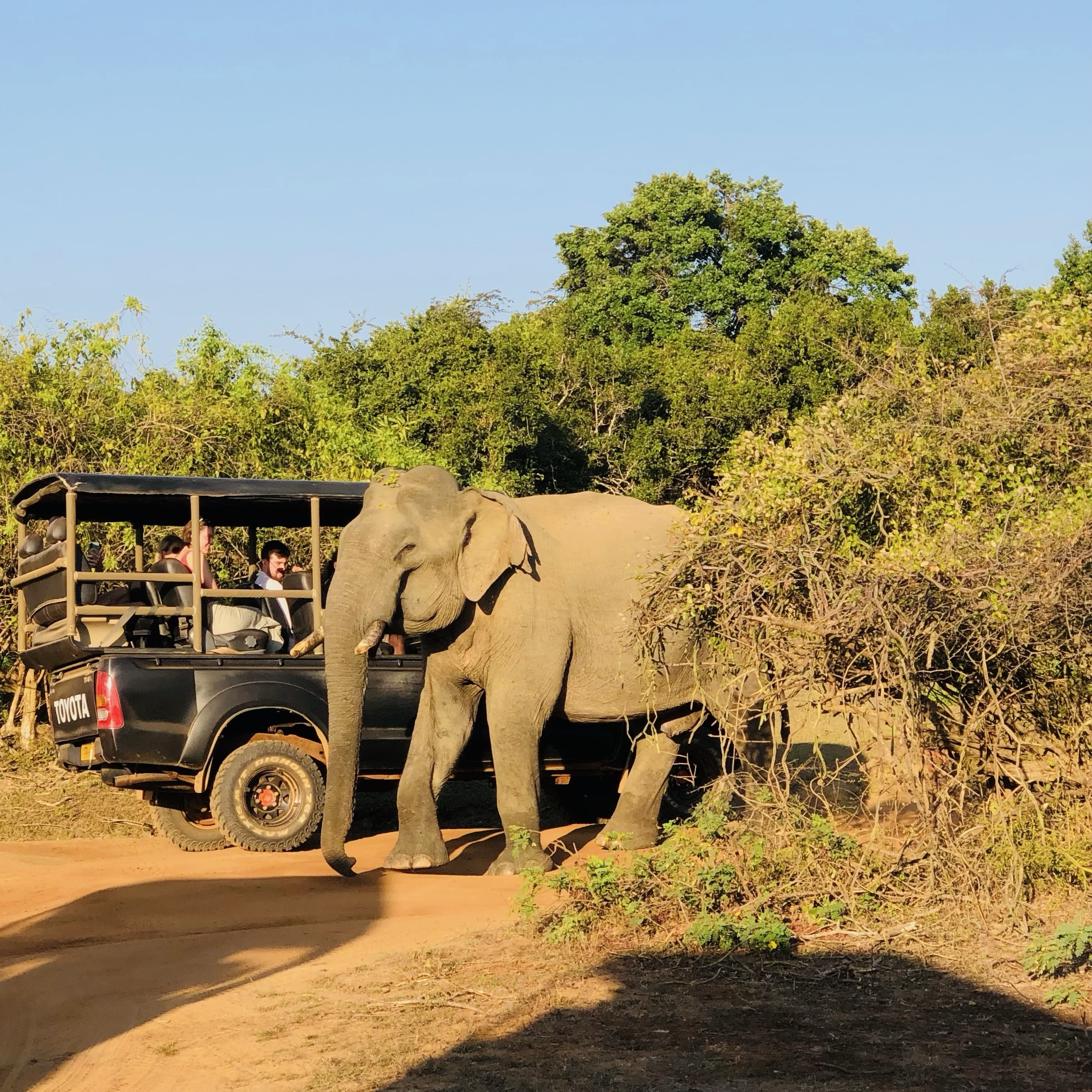
If you're searching for a Yala safari in Sri Lanka without the private-jeep price tag, Discover Yala's shared safari package costs $14 per person — one of the most affordable ways to experience Yala National …
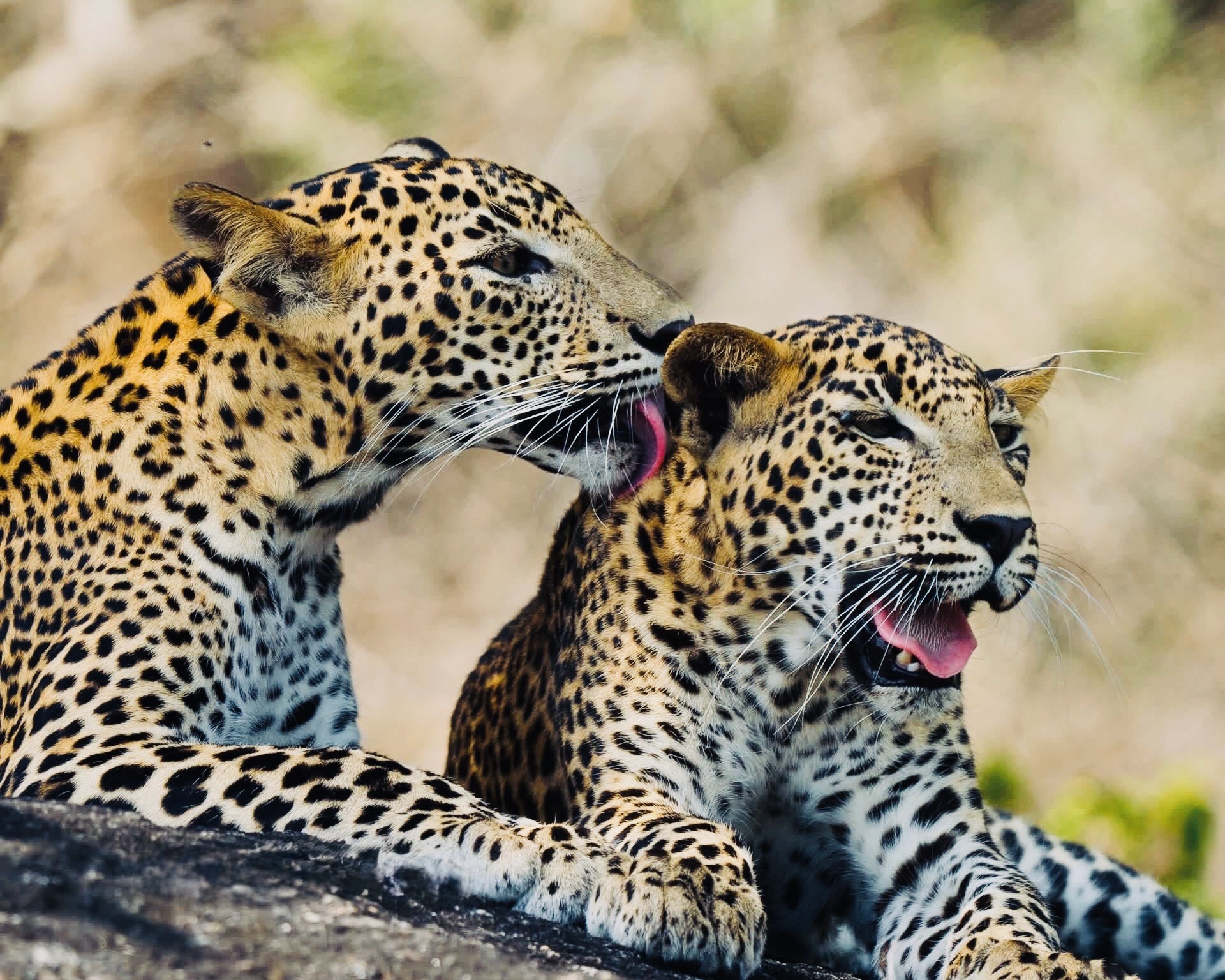
If your Sri Lanka route runs from the south coast up to Ella, you don't need to choose between a Yala safari and getting to your next stop you can do both in one trip. …