What is the best time of day for a Yala National Park leopard safari?
Early morning game drives (6:00 AM – 10:00 AM) and late afternoon game drives (2:30 PM – 6:00 PM) offer peak wildlife activity. Leopards are boldest at dawn and dusk, actively patrolling territory, marking scents, or resting atop granite rock outcrops before the midday heat.
What is the probability of spotting a leopard during our safari?
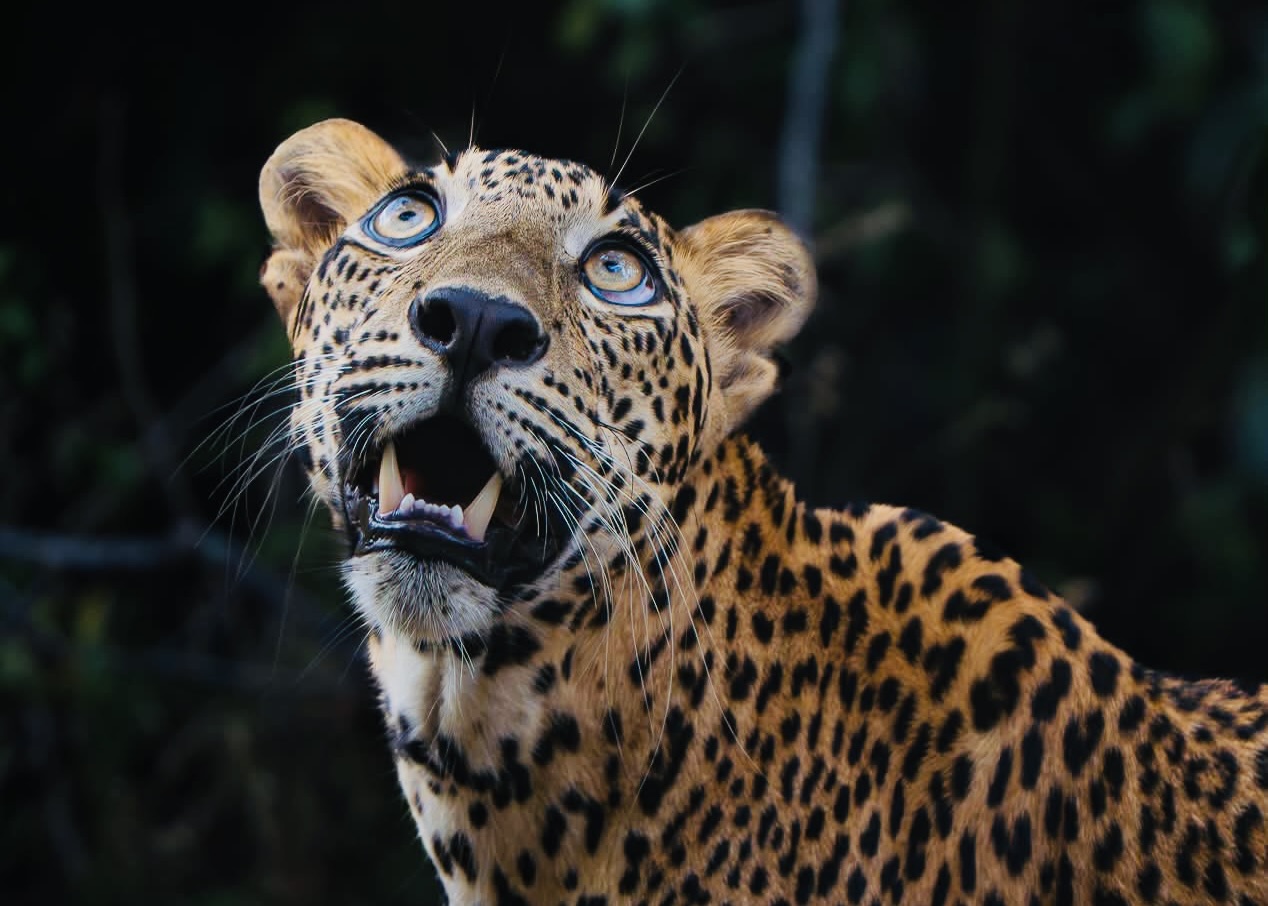
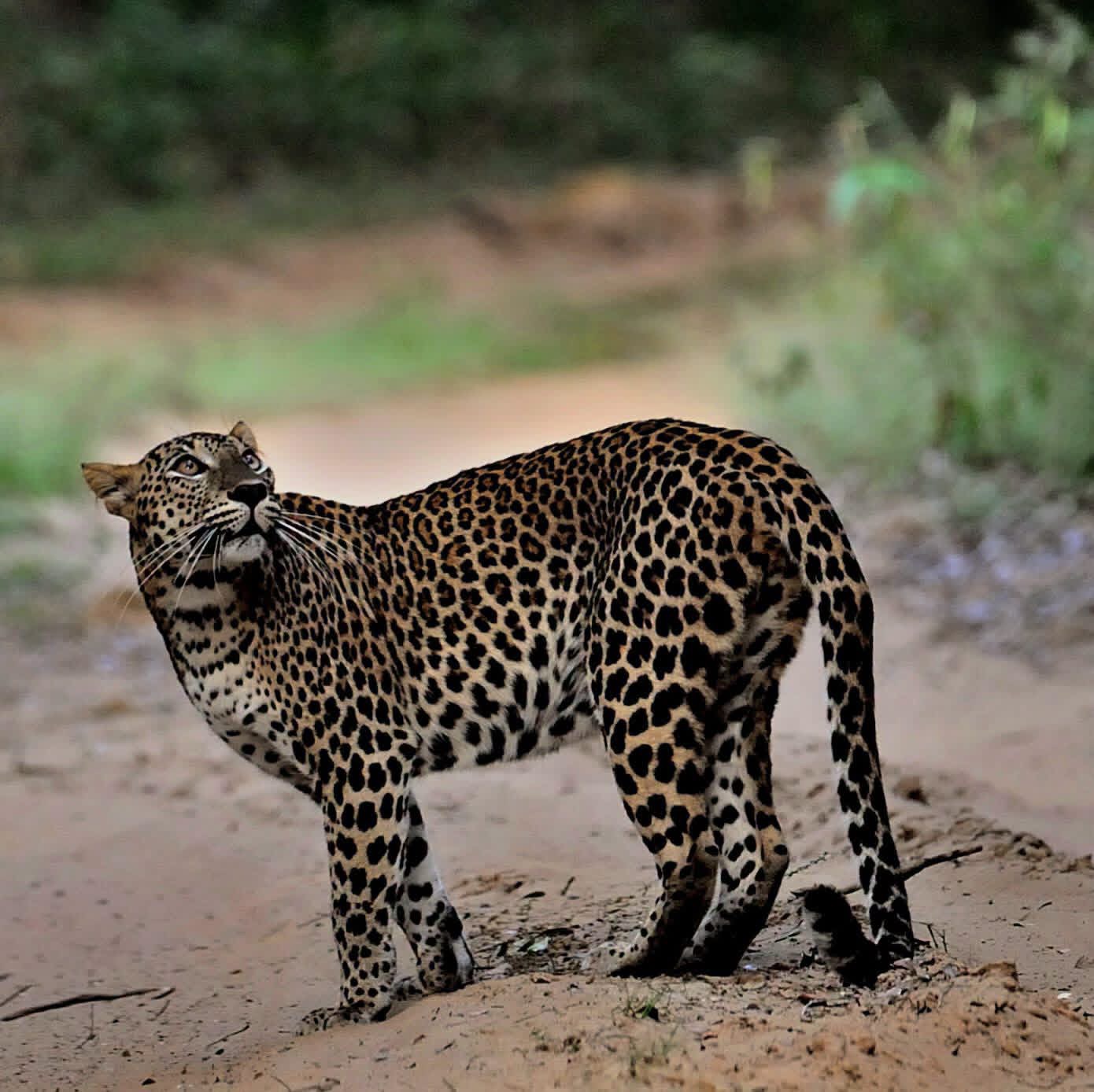
Yala National Park Block 1 holds the highest leopard density recorded anywhere in the world (approx. 1 leopard per square kilometer). While wild sightings are never 100% guaranteed, guests embarking on our early morning (05:30 AM departure) or full-day game drives with senior naturalist trackers experience an 75% to 85% success rate over multiple drives.
Which entrance gate is best for Yala Block 1 game drives?
Palatupana Gate (near Tissamaharama) is the premier entrance for Block 1 (Ruhuna), which holds the world's highest leopard density. Katagamuwa Gate serves guests staying near Kataragama or accessing Blocks 1 and 5.
What is the difference between a Half-Day and a Full-Day Safari?
Morning Half-Day (6:00 AM – 10:00 AM) focuses on dawn predator activity. Afternoon Half-Day (2:30 PM – 6:00 PM) offers golden-hour wildlife photography and waterhole gatherings. Full-Day safaris (6:00 AM – 6:00 PM) explore deep interior tracks far from the crowds, include a packed riverside picnic lunch at the Manik Ganga (Menik River), and maximize your chances to observe elusive sloth bears, leopards, and wild elephants in a single day.
Are Discoveryala safari jeeps private or shared?
All our safari jeep packages are 100% private. You never share a vehicle with strangers. You receive a dedicated 4x4 Toyota or Mitsubishi safari jeep with elevated tiered cushioned seating, experienced licensed driver-naturalist, chilled bottled water/refreshments, and full park clearance support.
Is hotel pick-up and drop-off included in Yala, Tissamaharama, or Kirinda?
Yes! We provide complimentary round-trip pick-up and drop-off directly in our 4x4 safari jeeps from any resort, hotel, safari lodge, or villa located in Tissamaharama, Palatupana, Kirinda, and Kataragama. Morning pick-ups commence between 5:00 AM – 5:30 AM so you reach the gate right at sunrise.
How much does a Yala National Park entrance permit cost?
Department of Wildlife Conservation (DWC) gate tariffs are $25.00 USD for foreign adults, $15.00 USD for foreign children (ages 6–12), $20.00 USD for SAARC adults, plus an LKR 300 vehicle entry licensing fee, vehicle service charge, and 18% government VAT. We handle all park ticket clearances in advance so you avoid long ticket queues.
What animals can I spot in Yala National Park besides leopards?
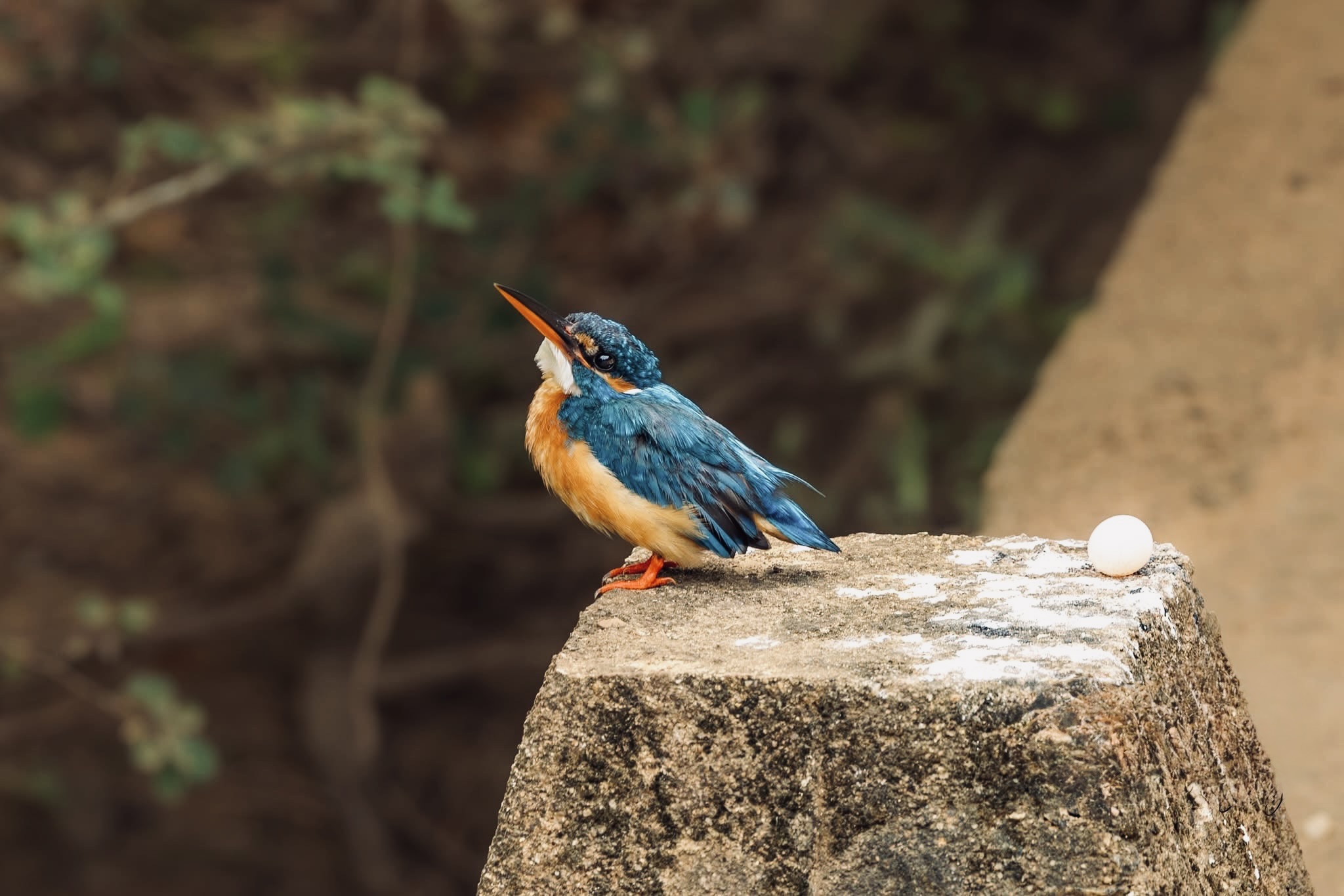
In addition to the Sri Lankan Leopard (Panthera pardus kotiya), Yala shelters Asian Elephants, Sloth Bears, Mugger Crocodiles, Spotted Deer (Chital), Sambar Deer, Wild Boar, Water Buffaloes, Golden Jackals, Ruddy Mongooses, and over 215 resident and migratory bird species including Crested Serpent Eagles, Painted Storks, and Malabar Pied Hornbills.
What should we wear and bring on a Yala safari game drive?
We recommend lightweight, breathable cotton clothing in neutral bush tones (khaki, olive, beige, or stone grey). Avoid bright neon colors or dark black and navy. Bring a wide-brim hat, polarized sunglasses, sunscreen, insect repellent, a light windbreaker for breezy dawn rides, binoculars, and a camera with a telephoto zoom lens (200mm–600mm).
Is a safari in Yala safe and suitable for young children and seniors?
Yes. Because our tours are strictly private, you have total control over the pace, comfort stops, and duration. Our jeeps feature safety roll cages, padded seatbelts, cushioned elevated seats, and sturdy grab rails. Drivers navigate terrain gently to ensure complete safety and comfort for toddlers and elderly family members.
Do your driver-naturalists follow ethical wildlife observation standards?
Strictly yes. Discoveryala strictly enforces ethical wildlife viewing policies: we maintain respectful observation distances, turn off engines during extended sightings, never crowd or chase animals, and strictly prohibit speeding or off-roading. Our guides are licensed conservation professionals certified by the Department of Wildlife Conservation (DWC).
What happens if it rains? What is your weather and cancellation policy?
Safaris operate smoothly during light tropical rains, and all our jeeps are equipped with heavy-duty roll-down waterproof canvas covers to keep guests dry. Wild animals frequently become active immediately after rain showers. In the rare event that park authorities close gates due to severe weather, we provide flexible rescheduling or full refunds without penalty.
Can professional wildlife photographers request specialized assistance?
Yes! Dedicated wildlife photographers can request custom vehicle setups including window beanbags for telephoto lens stabilization, spacious uninhibited seating for low-angle perspectives, extra battery charging points, and naturalists trained to anticipate animal behavior and position the jeep for optimal natural lighting.
When does Yala National Park close, and which sectors remain open?
Yala Block 1 (Ruhuna) traditionally closes for annual ecological rejuvenation and dry-season wildlife rest for approximately 4 to 6 weeks, usually between September and early October. During this period, Yala Blocks 3, 4, and 5, as well as the adjoining Lunugamvehera National Park, remain fully accessible and offer phenomenal game viewing with significantly fewer tourist vehicles.