Yala Safari Sri Lanka from $14
If you're searching for a Yala safari in Sri Lanka without the private-jeep price tag, Discover Yala's shared safari package costs $14 per person — one of the most affordable ways to experience Yala National …
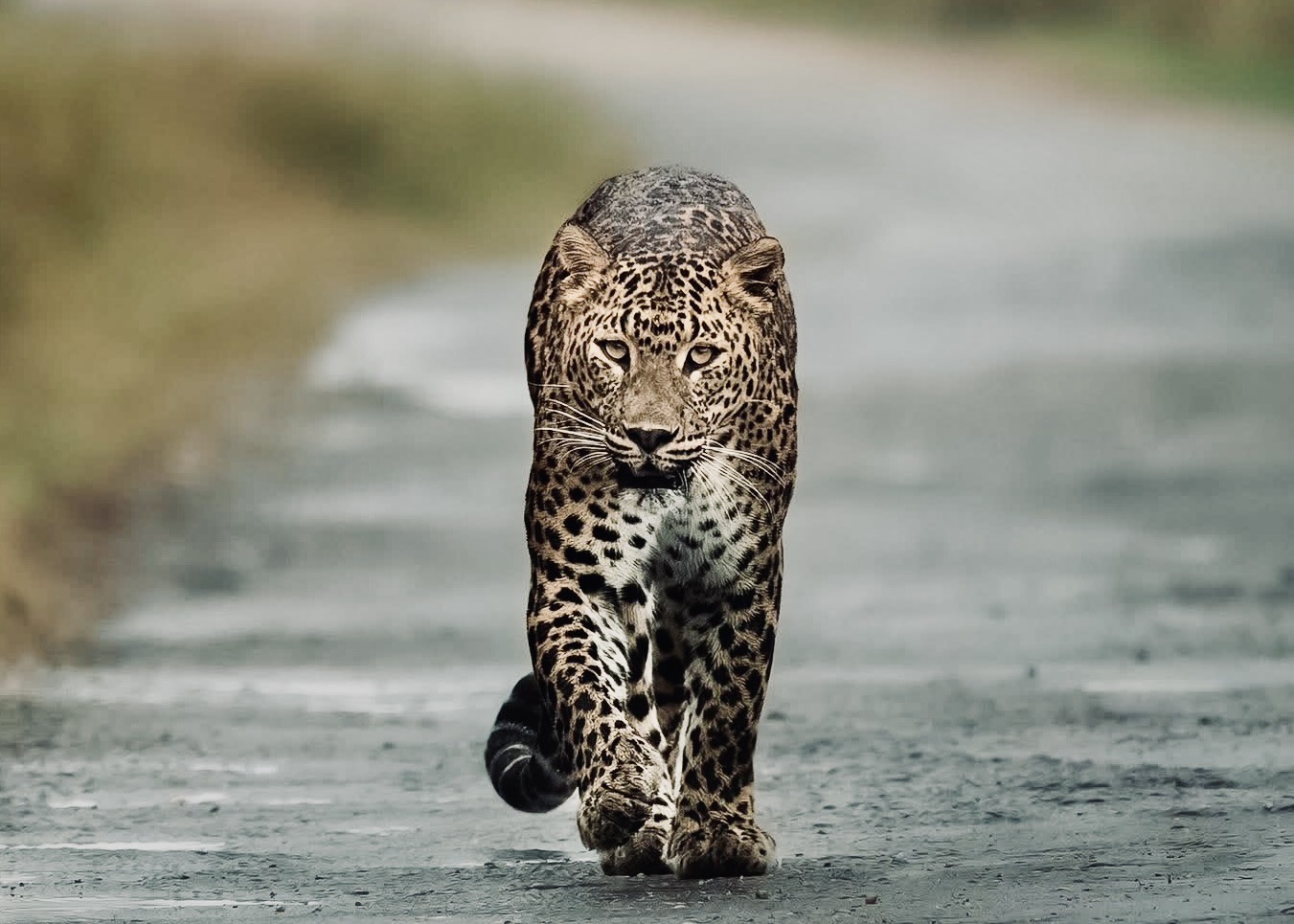
Yala National Park in southeastern Sri Lanka is a world-famous wildlife destination, celebrated for having one of the highest densities of leopards on the planet. But for years, this fame came with a serious downside: unchecked overcrowding that frustrated visitors and stressed the very animals they came to see. The 2026 safari season is different. Driven by a mounting crisis, the Sri Lankan government has finally implemented long-awaited reforms, including a digital ticketing system and new daily vehicle caps. This guide cuts through the confusion, providing foreign travelers with everything they need to plan an ethical, affordable, and unforgettable Yala safari this year. Part 1: The 2026 Yala Safari Transformation: Digital Ticketing & Visitor Caps For years, Yala operated without a formal carrying capacity, a system that tourism authorities themselves admitted was unsustainable. As the Chairman of the Sri Lanka Tourism Development Authority acknowledged, “In any wildlife park in Sri Lanka, you don't have a carrying capacity restriction. You take any number of people who come”. That era is ending with a major overhaul focused on sustainability. The 300-Vehicle Daily Limit: The Department of Wildlife Conservation has already decided to cap the number of tourist vehicles entering Yala to just 300 per day. This policy directly targets the infamous “leopard jams”—the chaotic crowds of dozens of jeeps vying for a view of a single animal—and is designed to create a more peaceful and equitable experience for both wildlife and visitors. Digital Ticketing with QR Scanning: A new e-ticketing system, currently in its final implementation phase, will replace the old chaotic gate system. Using QR scanning facilities, the system will enforce specific entry time slots and limits on the number of vehicles entering each hour. As one official noted, “Every other park in the world works like that ... you know exactly how many you can carry per day and how many you can carry per hour”. Licensed Drivers Only: Since early 2024, all jeep drivers entering Yala must be licensed by the Department of Wildlife Conservation (DWC). This ensures drivers are trained in park rules, safety protocols, and ethical wildlife viewing. What This Means For You: Advance booking is no longer optional. To secure your spot, you must book your digital entry ticket online before your arrival. This is excellent news, as it replaces the unpredictable “show up and see” system with a reliable, pre-booked experience. Part 2: Entrance Fees & Safari Costs 2026 (Exact Breakdown) Pricing transparency is a major pain point for foreign travelers. Here is the exact cost breakdown for 2026. Park Entrance Fee (Government Fee) This is a separate charge paid at the gate and is almost never included in the advertised price of a safari package. These fees, set by the Department of Wildlife Conservation, include access to the park and various conservation and service charges. * Foreign adults: Approximately 13,000 Sri Lankan Rupees (roughly $43 USD) per person, which includes applicable taxes and service fees. * Children (aged 6–12): A reduced fee applies. * Children under 6: Usually free. * Payment Method: Cash in Sri Lankan Rupees at the park entrance. Passport verification is mandatory. Safari Jeep Hire You cannot drive your own vehicle into the park. A licensed, 4×4 safari jeep with an experienced driver is mandatory and is your only means of exploring the park.
Safari Type Approximate Cost (USD) What Is Included Shared Jeep (Half Day) 20 – 20–35 per person Driver, pickup/drop-off, water Private Jeep (Half Day) 60 – 60–90 per jeep Driver, pickup/drop-off, water, privacy and flexibility Full-Day Safari (Private) 120 – 120–180 per jeep Breakfast, lunch, driver, water, extended hours Total Cost for Two Adults (Private Half-Day Safari) * Two entrance fees: ~$86 USD * Private jeep hire: ~$60–90 USD * Total: Approximately $146–176 USD total for two people What to Ask Before Booking Before you confirm any booking, ask the operator a single, crucial question: “Does your price include the full park entrance fee for each person, or is that paid separately? ” Many advertised prices are just for the jeep. Getting a clear answer upfront will help you avoid a surprise cash payment at the gate. All-inclusive packages (entry + jeep + guide) are the standard arrangement. Part 3: Block 1 vs Block 5: The Quieter Alternative Understanding Yala's block system is arguably the most important decision you will make. Most tours automatically default to Block 1, the park's most famous and most crowded section. However, an increasing number of ethical travelers are choosing Block 5 for a quieter, more exclusive experience.
Feature Block 1 Block 5 Leopard Density Very high Moderate–Good Crowd Level High (90% of tourists) Very low Best For First-time visitors, leopard-focused travelers Photographers, nature lovers, peace seekers Vehicle Congestion Frequent and intense Rare Access Gate Palatupana Katagamuwa Block 5 is gaining popularity due to far fewer vehicles and excellent wildlife sightings, especially of elephants and birds, while still providing excellent chances for leopard encounters. It offers a slow, realistic experience that is far more conducive to photography and a genuine connection with nature. Ask for Blocks 3, 4, or Lunugamvehera: For those truly seeking solitude, some ethical operators offer tours in Blocks 3 and 4, as well as Lunugamvehera National Park. Known as Yala’s “secret twin,” Lunugamvehera functions as an elephant migration corridor and offers a more exclusive and rewarding alternative to the busier sectors. Part 4: How to Actually See Leopards in Yala: Proven Strategies Seeing a wild Sri Lankan leopard is never guaranteed, but these proven strategies will dramatically increase your chances. Best Time of Day The absolute best time to find leopards is in the morning. Between 5:30 AM and 9:00 AM, leopards return from their night patrols and rest on rocks and roads, staying visible in the open. The afternoon window from 3:30 PM to 6:30 PM is also productive, as leopards become active again before sunset, moving toward water and prey under a golden light. Best Season The dry season from February to July offers the strongest wildlife visibility. As water sources shrink, animals congregate near remaining waterholes, increasing the likelihood of sightings. For the highest leopard sighting probability, aim for the peak window of February through April. Signs Trackers Use to Find Leopards Experienced trackers are experts at reading the jungle’s clues, including fresh pugmarks on sand, alarm calls from deer, peacock distress sounds, scratches on tree trunks, and movement near water edges. Book a “Skip-the-Line” Early Morning Safari This is the single most effective strategy for a successful safari. A “skip-the-line” tour enters the park before sunrise (around 4:30 AM–5:00 AM). This allows you to beat the main gate rush, position yourself for the best morning light, and maximize your time in the park while wildlife is most active. Some operators advertise leopard sighting rates around 95% with this approach, though no sighting is ever guaranteed. Part 5: Morning Safari vs Afternoon Safari: Which Wins? Morning safaris are far more productive for leopard sightings, as the cats are most active in the first two hours of daylight. They also offer cooler temperatures and the best photography light. Afternoon safaris offer warmer conditions, a more relaxed start time, and excellent potential for elephant and sunset photography. Expert recommendation: If you have only one day at Yala, choose a morning safari. If you have two days, book one morning and one afternoon drive to experience the park in both lights. Part 6: What Animals Will You Actually See? * Sri Lankan Leopard: The park's iconic resident. Block 1 has the highest density, with an estimated 25–30 leopards in the park overall. * Wild Elephants: Up to 350 elephants use the park and buffer zones. Herds and large bulls are regularly encountered at waterholes and open grassland, especially in the early morning. * Sloth Bear: The shaggy, black Sri Lankan sloth bear is one of Yala's most charismatic residents. The park has the highest sloth bear density outside India. * Mugger Crocodiles: Large crocodiles up to 4 meters are abundant in the park's lagoons and waterholes. * Birdlife: Over 215 species, including 6 Sri Lankan endemics. The black-necked stork, painted stork, grey-headed fish eagle, and crested serpent eagle are common sightings. Migratory birds arrive between November and January. Part 7: Ethical Safari Checklist for Responsible Travelers The future of Yala depends entirely on the choices travelers make every day. * Never pressure your driver to move closer. A good photograph is never worth an animal’s stress. * Never encourage off-road driving or speeding. It destroys root systems and nesting habitat. * Choose quieter blocks. Ask specifically for Block 5 or Lunugamvehera. * Support licensed operators. Look for DWC-licensed drivers and a published code of conduct. * Avoid peak season (February–April) if possible. Travel in May or June for good conditions with fewer vehicles. * Maintain absolute silence at sightings. A leopard that turns its head toward a jeep has been disturbed. Part 8: What to Pack for Your Yala Safari Clothing * Neutral-colored clothing in khaki, beige, olive, or soft brown (avoid bright colors and white) * Lightweight jacket or long-sleeved shirt for early morning coolness * Closed footwear * Wide-brimmed hat and sunglasses Essentials * High-SPF sunscreen * Insect repellent with DEET or picaridin * At least 1.5 liters of water per person * Scarf or dust mask (the fine red dust during dry season is significant) * Binoculars Photography Gear * A telephoto lens of at least 200–400mm is strongly recommended * Extra batteries and memory cards * A small beanbag or support cushion to stabilize your camera on the vehicle frame Documents and Money * Passport (mandatory for entrance verification) * Cash in Sri Lankan Rupees to pay entrance fees at the gate Part 9: Getting to Yala & Where to Stay How to Get There * From Colombo: Approximately 5–6 hours by road via the Southern Expressway * From Galle or the southern coast: Approximately 3–4 hours * From Ella: Approximately 2 hours, descending into the dry zone Where to Stay Most foreign visitors base themselves in Tissamaharama (often called “Tissa”), located approximately 20–30 minutes from the main park entrance. The town offers a wide range of accommodation, from budget guesthouses to luxury eco-lodges. For a premium experience, consider staying at a park-adjacent lodge like Cinnamon Wild Yala. Part 10: Frequently Asked Questions (FAQs) Q: Do I need to pre-book my Yala safari in 2026? Yes. With the new digital ticketing system and 300-vehicle daily cap, advance booking is essential, especially during peak season (February–July). Book at least a few days to a week ahead. Q: Are leopards guaranteed at Yala? No. Yala has the highest leopard density in the world, but sightings are never guaranteed. Any operator who claims otherwise should be avoided. Q: Is Yala safe in 2026? Safety challenges exist related to speeding jeeps and overcrowding. However, visitors who choose licensed operators, follow park rules, and avoid peak times minimize their risk. The government's new regulations are actively addressing these issues. Q: Which is better for a first-time visitor — Yala or Udawalawe? Yala is best for leopards and overall biodiversity. Udawalawe is best for guaranteed elephant sightings and a more peaceful, family-friendly atmosphere. Many travelers combine both. Q: Is Yala suitable for children? Yes, with realistic expectations. Morning safaris start very early — afternoon safaris are more manageable for families. Pack snacks, water, and quiet activities. Q: What is the tiger myth at Yala? There are no tigers in Sri Lanka. The apex predator is the Sri Lankan leopard. Part 11: Quick Reference: Yala Safari 2026 at a Glance
Category Key Information Vehicle Cap 300 jeeps per day Digital Ticketing QR code system being implemented in 2026 Best Time February–July (dry season) Peak Leopard Window February–April Park Closure September (annual census) Entrance Fee (Foreign Adult) ~$43 USD (13,000 LKR) Private Jeep (Half Day) $60–90 USD per jeep Total for 2 Adults (Private Half Day) $146–176 USD Quietest Block Block 5 (via Katagamuwa Gate) Base Town Tissamaharama Best Safari Time Morning (5:30 AM start) Distance from Colombo ~300 km (5–6 hours) Final Thoughts Yala National Park remains one of the world’s truly great wildlife destinations. The new 2026 reforms—the digital ticketing system and the 300-vehicle daily cap—are signs that the government is finally taking the overcrowding crisis seriously. By choosing quieter blocks, supporting licensed operators, and respecting the wildlife, you become part of the solution. Plan ahead, book your digital entry ticket in advance, and experience Yala as it was meant to be seen wild, peaceful, and unforgettable.
Field observations and insights verified by senior trackers and licensed naturalists from Discoveryala based on-ground at Palatupana Gate, Yala National Park. Our tracking desk monitors daily leopard movements across Ruhuna Block 1, elephant migratory paths, and dry-zone birding conditions with an unwavering commitment to ethical, respectful wildlife observation.
Yala National Park (Ruhuna) encompasses 979 sq km of dry monsoon forests, coastal lagoons, and granite monoliths. Home to the world's highest wild leopard concentration (Panthera pardus kotiya), Asian Elephants, and Sloth Bears, Yala offers world-class 4x4 game drive opportunities.
Book your private 4x4 Yala National Park safari jeep game drive with experienced trackers today.
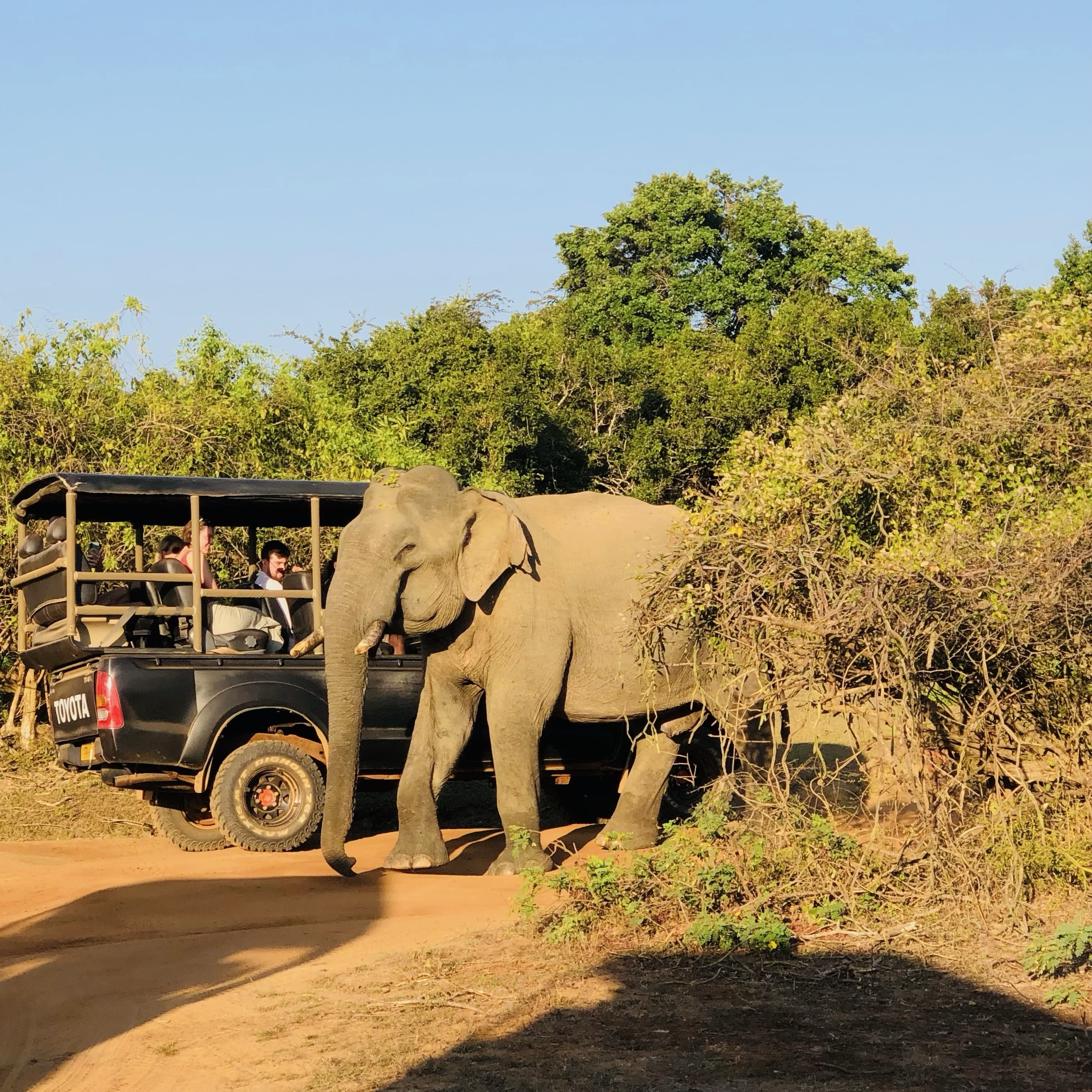
If you're searching for a Yala safari in Sri Lanka without the private-jeep price tag, Discover Yala's shared safari package costs $14 per person — one of the most affordable ways to experience Yala National …
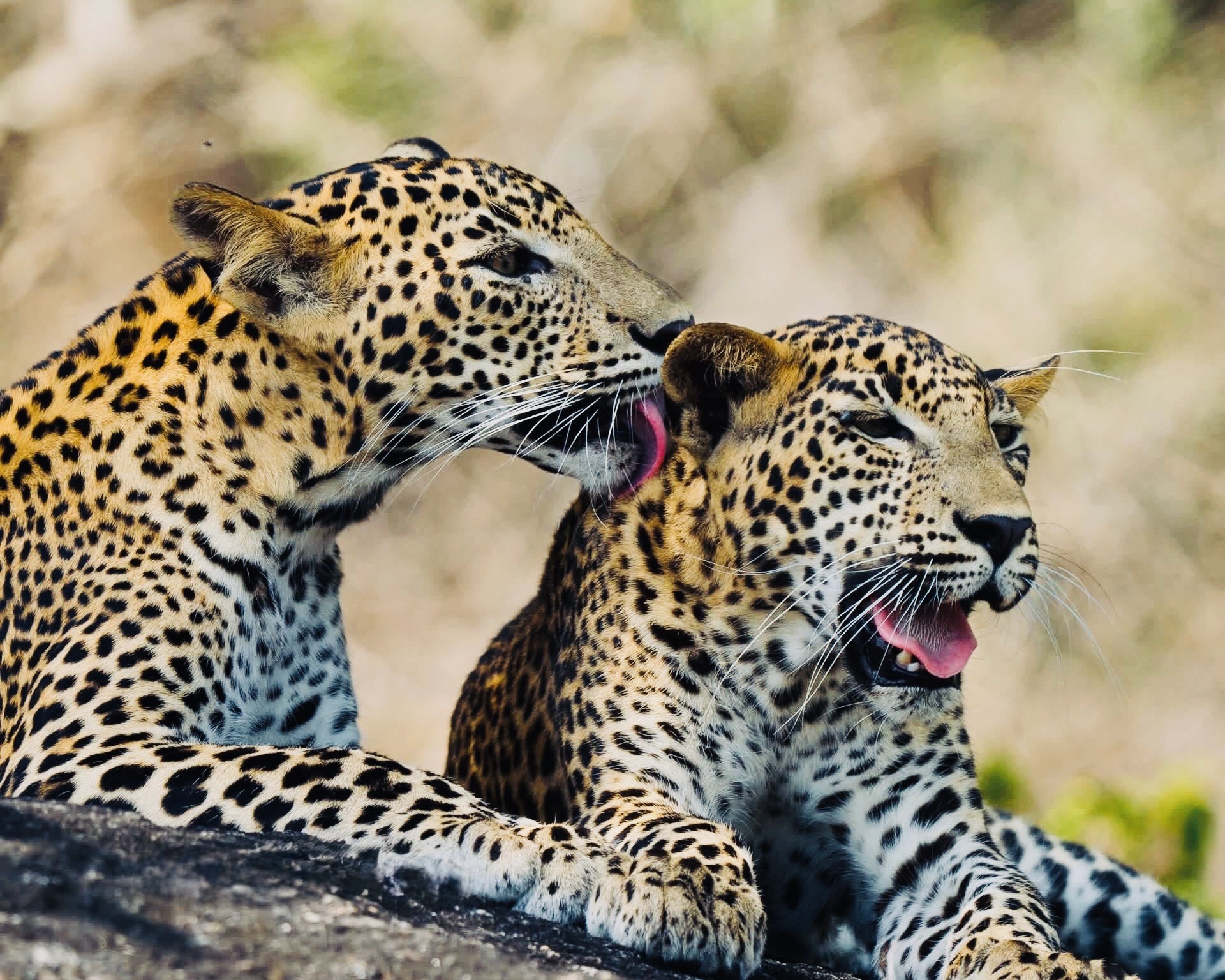
If your Sri Lanka route runs from the south coast up to Ella, you don't need to choose between a Yala safari and getting to your next stop you can do both in one trip. …
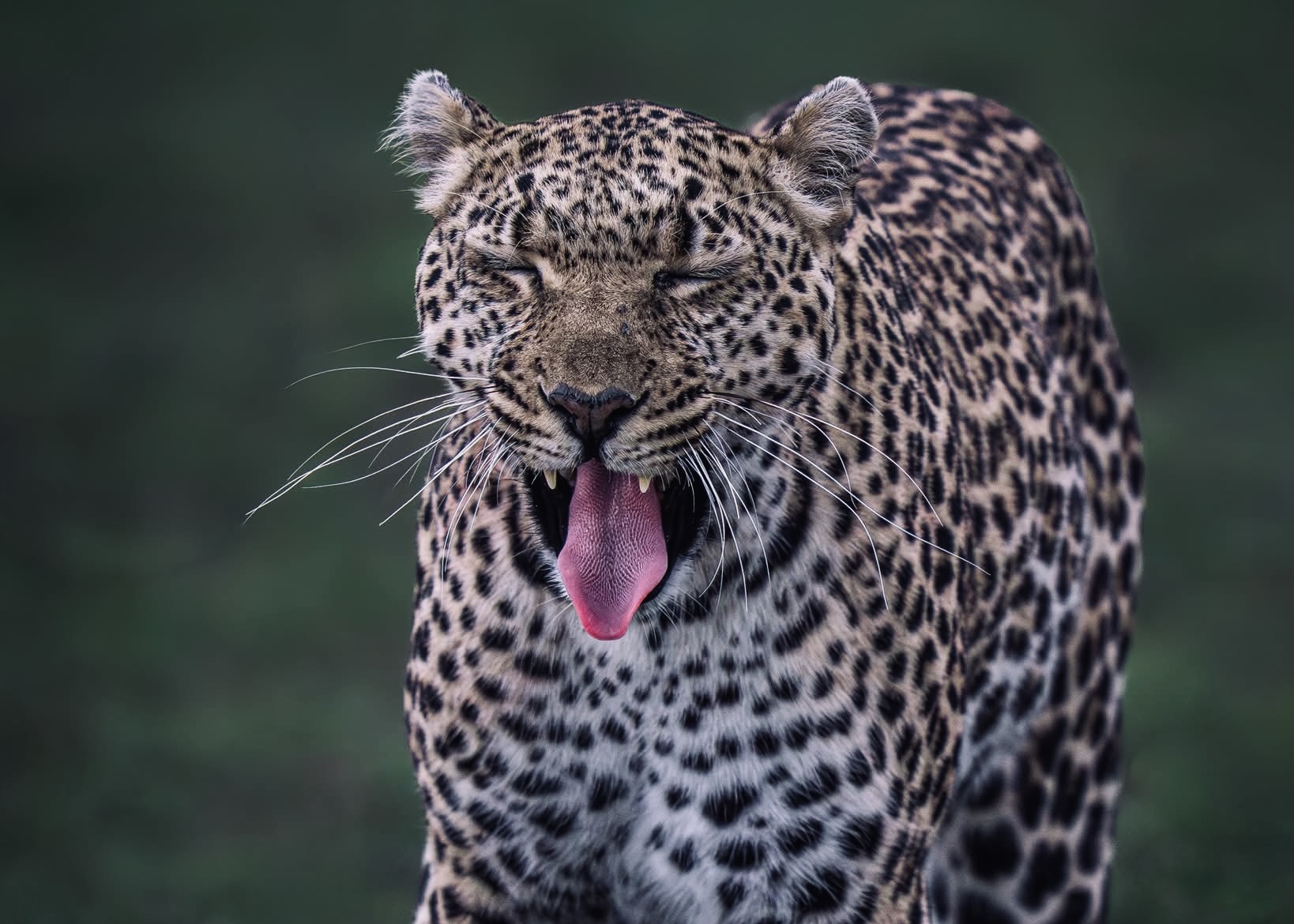
Is Yala National Park Closed? 2026 Closure Dates & What to Do Instead If you're planning a trip to Sri Lanka around September, one question comes up again and again: is Yala National Park closed? …