Yala Safari Sri Lanka from $14
If you're searching for a Yala safari in Sri Lanka without the private-jeep price tag, Discover Yala's shared safari package costs $14 per person — one of the most affordable ways to experience Yala National …
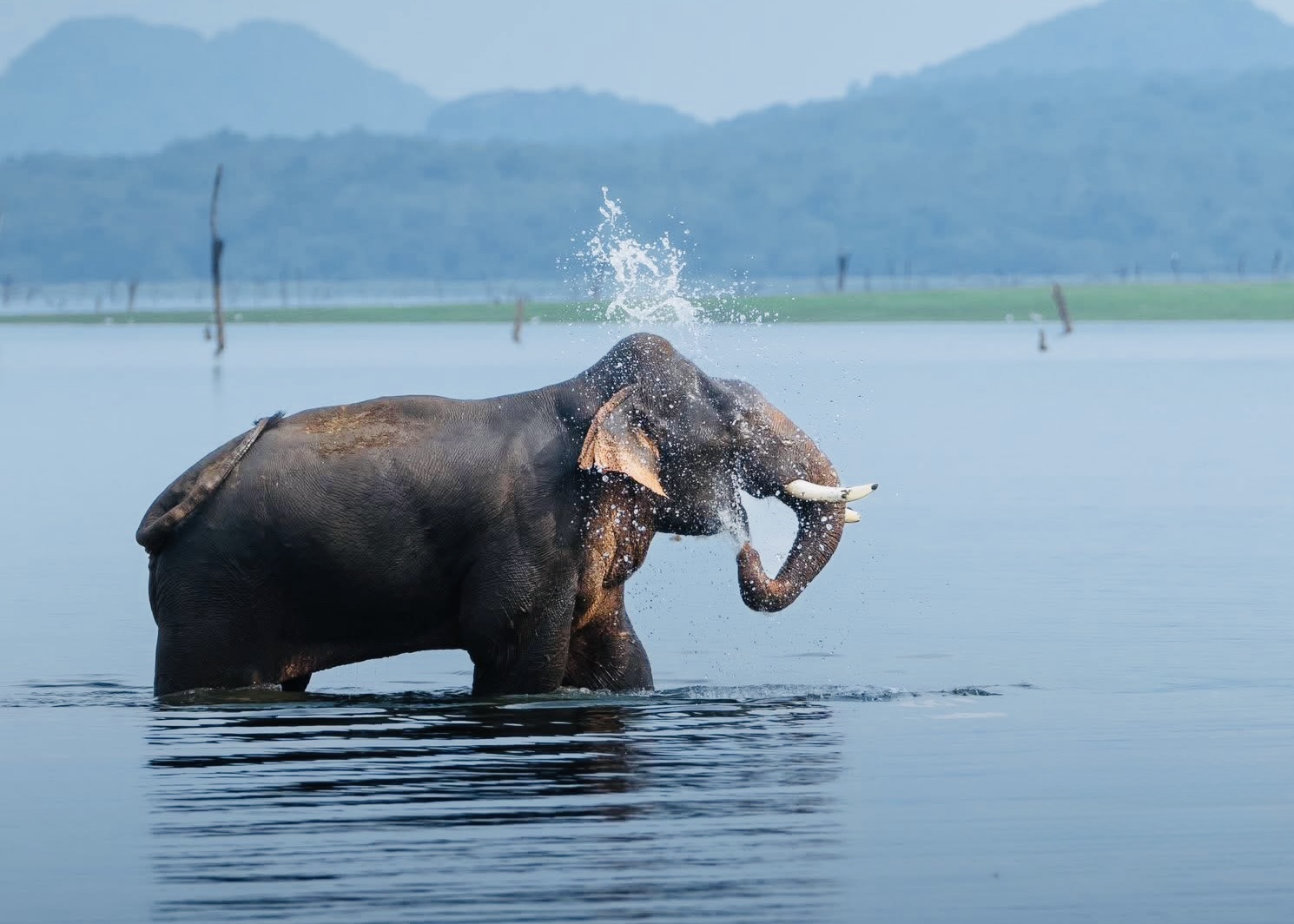
Yala National Park Complete Map and Blocks Guide 2026: Block 1, 3, 4, 5 Explained (Choose Your Gate) Complete Yala National Park map and blocks guide 2026 Block 1 vs Block 5 vs Block 3 vs Block 4 comparison. Which block has the most leopards, fewest jeeps, best elephants, and which gate to enter for your travel style.
The Block Decision That Changes Everything You have decided to visit Yala National Park. You have booked your accommodation in Tissamaharama. You have arranged your safari driver. Then comes the question that most first-timers do not even know to ask: Which block should I enter? Yala National Park is 979 square kilometres divided into five distinct blocks plus an adjacent national park. Each block is a completely different experience. Block 1 has the world's highest leopard density but also 200+ jeeps daily. Block 5 has 70% leopard sighting probability with only 5–15 jeeps. Block 3 and 4 are barely visited wilderness zones with unique landscapes. Most visitors never consciously choose their block. They book through an operator who defaults to Block 1 (the Palatupana Gate). They arrive at the gate at 6:05 AM. They join the jeep jam. They return to Tissamaharama saying "it was crowded" without realizing that a different block, a different gate, a different 30-minute routing choice, would have produced a completely different experience. This guide teaches you the geography of Yala so you can choose consciously. So you know exactly which block matches your priorities, your budget, and your travel style.
Part 1: The Complete Yala Geography — Five Blocks and Their Boundaries The Basic Map Yala National Park occupies a 979 km² zone in southeastern Sri Lanka. The park is divided into five blocks plus Lunugamvehera National Park (sometimes called Block 6): * Block 1 (Ruhuna) — The main, most famous block * Block 2 — Strict Natural Reserve (closed to all visitors) * Block 3 — Northern wilderness block * Block 4 — Northern wilderness block * Block 5 (Weheragala) — The alternative block * Block 6 (Lunugamvehera) — Adjacent national park The Access Gates Only three gates provide public access: Palatupana Gate (Block 1 Main Entry) * Location: 15 km northeast of Tissamaharama * Hours: 6:00 AM – 6:00 PM daily * Vehicle capacity: Approximately 200–400 vehicles daily (peak season) * What you enter: Block 1 (141 km² of the park) * Famous for: Highest leopard density, most crowded Katagamuwa Gate (Block 1 Eastern Entry) * Location: 25 km from Tissamaharama, near Buttala * Hours: 6:00 AM – 6:00 PM daily * Vehicle capacity: Approximately 100–150 vehicles daily * What you enter: Block 1's eastern circuits * Famous for: Quieter entrance, coastal zones, Patanangala beach Galge Gate (Block 5 Entry) * Location: 45 km from Tissamaharama * Hours: 6:00 AM – 6:00 PM daily * Vehicle capacity: Approximately 5–20 vehicles daily * What you enter: Block 5 (Weheragala block) * Famous for: Solitude, river crossings, tall forest
Part 2: Block 1 (Ruhuna) — The Leopard Capital What Block 1 Actually Is Block 1 is the original Yala National Park, established as Ruhuna National Park in 1938. It comprises 141 square kilometres of southeastern Sri Lanka's most biodiverse habitat. It is the park most visitors enter without ever realizing they are in "Block 1" — they simply assume Yala = Block 1. Block 1 Geography and Terrain Landscape composition: * Open scrub grasslands (40%) * Granite inselbergs (rocky outcrops) — the iconic Yala landscape (25%) * Coastal lagoons and wetlands (20%) * Forest patches and transitional habitat (15%) Key features visible on drive: * 8–10 major granite inselbergs scattered across open scrub (thermoregulation sites for leopards) * Coastal lagoons where Block 1 meets the Indian Ocean at Patanangala * Dry-season waterholes concentrated in the southern and central zones * Ancient Sithulpawwa Rock Temple ruins accessible via jeep track Elevation: Sea level to approximately 150 metres at inselberg peaks Block 1 Wildlife by Season Dry season (February–June): * Leopards: 60–90% sighting probability per drive * Elephants: High probability at waterholes, herds of 15–30 * Sloth bears: 15–25% (May–July Palu season increases to 60–75%) * Birds: 200+ species, particularly abundant at coastal lagoons * All other mammals: Abundant (spotted deer, wild buffalo, crocodile, golden jackal) Green season (November–January): * Leopards: 40–60% sighting probability per drive * Elephants: Moderate (water sources more dispersed) * Birds: Migrant species arrive (warblers, eagles, herons from northern latitudes) Closure period (September–mid-October): * Block 1 closes for conservation and habitat recovery * Animals have weeks without vehicle pressure * Post-reopening (mid-October): Animals re-habituate to jeeps Block 1 Vehicle Reality (The Honest Part) Peak season (December–March): * Up to 400 vehicles enter daily via Palatupana * Morning peak: 6:00–9:30 AM when most vehicles concentrate * At confirmed leopard sightings: 30–50 vehicles converge within 10 minutes * The radio network effect: Within 10 minutes of a sighting, half the park knows Shoulder season (April–May, October–November): * 80–120 vehicles enter daily * Significantly more manageable * Sightings still happen but with fewer competing jeeps Late season (June–August): * 40–80 vehicles enter daily * Optimal vehicle experience while maintaining good wildlife * Palu season (May–August) brings sloth bears Block 1: The Honest Assessment Advantages: * Highest leopard density in the world (~1 per km²) * Most reliable sighting probability (60–90%) * Accessible (5:15 AM arrival at Palatupana is straightforward) * Iconic landscape (granite inselbergs are Yala's visual signature) * Diverse wildlife (all 44 mammal species possible) * Developed infrastructure (tea shops, clear tracks) Disadvantages: * Jeep jam phenomenon (50 vehicles at one sighting) * Most crowded block during peak season * Less wilderness "feeling" due to vehicle presence * Radio network can feel commercialized * High tourist density means animals slightly less habituated than they appear (they tolerate vehicles, not embrace them) Who should choose Block 1: * First-time visitors prioritizing leopard sighting * Time-constrained visitors (1 night maximum) * Photography-focused visitors (inselberg landscape + leopard combination is iconic) * Comfort prioritizers (Palatupana has best infrastructure) Who should avoid Block 1: * Crowd-sensitive visitors * Visitors seeking wilderness immersion * Repeat Yala visitors (already did Block 1) * Those visiting in peak season (December–March)
Part 3: Block 5 (Weheragala) — The Secret Gem What Block 5 Actually Is Block 5, officially called Weheragala, is a 120+ square kilometre block accessed via the Galge Gate. It is less visited, less known, and less crowded than Block 1 — yet it offers excellent wildlife sightings in dramatically quieter conditions. Block 5 has a rising 70% chance of leopard sightings recently — with dramatically fewer jeeps than Block 1 at peak season. Block 5 Geography and Terrain Landscape composition: * Tall forest canopy (45%) — dramatically different from Block 1's open scrub * River valleys and riverine forest (30%) * Grassland clearings in forest (20%) * Rock outcrops (5%) Key features visible on drive: * River crossings where jeeps ford shallow water — unique in Sri Lanka safari context * Ancient forest with canopy reaching 15–20 metres * Weheragala Reservoir — massive dry-season waterhole attracting large elephant herds * Tall forest composition means reduced visibility (you cannot scan open grasslands) but intimate forest encounters Elevation: Sea level to approximately 100 metres Block 5 Wildlife by Season Dry season (February–June): * Leopards: 60–75% sighting probability (slightly shyer than Block 1, longer viewing distances) * Elephants: VERY HIGH probability, herds of 25–50 at Weheragala Reservoir * Sloth bears: 15–25% (Palu season May–July reaches 60%) * Crocodiles: River-based sightings (different from Block 1's lagoon crocs) * Birds: Excellent, forest-specific species Key difference from Block 1: Block 5 specializes in large elephant herds. The Weheragala Reservoir concentrates animals more reliably than Block 1's dispersed waterholes. Block 5 Vehicle Reality Peak season (December–March): * 5–15 vehicles enter daily (vs Block 1's 200–400) * At confirmed leopard sightings: 1–3 vehicles (vs Block 1's 30–50) * The radio network does not apply — vehicle density too low All seasons: * Consistent 5–20 vehicle daily volume year-round * Solitude is nearly guaranteed * You are unlikely to see another safari jeep for hours at a time Block 5: The Honest Assessment Advantages: * Dramatically fewer jeeps (5–15 daily vs Block 1's 200–400) * Excellent leopard probability (70%) * Exceptional elephant herds (larger and more reliably encountered than Block 1) * Wilderness feeling preserved (fewer vehicles means fewer radio alerts, more natural behavior) * River crossings provide unique landscape variety * Post-closure leopards slightly less habituated (more wild behavior) * Better sloth bear habitat (forest composition favors bears) Disadvantages: * Longer distance from Tissamaharama (45 km vs 15 km to Block 1) * Less infrastructure (fewer rest areas, tea shops) * Tall forest means reduced visibility (you cannot scan 500 metres of grassland) * Leopards viewed at greater distances (forest habitat) * Accommodation near gate limited (mostly Buttala or Kataragama areas) * Requires deliberate choice (operators default to Block 1) Who should choose Block 5: * Crowd-avoidant visitors * Elephant-focused visitors (larger herds than Block 1) * Repeat Yala visitors wanting new experience * Wilderness immersion prioritizers * Photographers wanting solitude (fewer competing vehicles for photo composition) * Visitors in May–June wanting Palu season bears Who should avoid Block 5: * Visitors on extremely tight schedule (extra 45 min transfer reduces drive time) * Solitude-phobic visitors (the quiet can feel isolating to some) * Those prioritizing inselberg landscape photography (Block 1 is superior)
Part 4: Block 3 and Block 4 — The Wilderness Zones What Blocks 3 and 4 Actually Are Blocks 3 and 4 are the northern wilderness zones of Yala. Combined, they comprise approximately 250+ square kilometres of genuinely rugged, rarely visited habitat. Access requires specialist permissions from the Department of Wildlife Conservation and guides with specific Block 3/4 experience. Block 3 and 4 Characteristics Visitor volume: Approximately 1–5 jeeps daily (sometimes none for days at a time) Landscape: Tall dry forest, river valleys, rocky terrain — more "lost world" than either Block 1 or Block 5 Wildlife probability: * Leopards: 40–50% per drive (shyer than other blocks due to minimal vehicle exposure) * Elephants: Moderate (smaller herds, more dispersed) * Sloth bears: 20–30% (excellent habitat for bears given forest composition) Access difficulty: HIGH — requires advance DWC permission, specialist operator, extended drive from Tissamaharama Block 3 and Block 4: Who Should Consider These Serious wildlife enthusiasts: The reduced human pressure creates more natural animal behavior Second or third-time Yala visitors: You have done Block 1, now explore genuine wilderness Expedition-minded travelers: The remoteness and rawness are the point Researchers or photographers: The unique habitat and solitude justify the logistics Not recommended for: First-timers, time-constrained visitors, or those seeking convenience
Part 5: The Complete Block Comparison Table Factor Block 1 Block 5 Blocks 3/4 Leopard probability 60–90% 60–75% 40–50% Jeep density 200–400/day (peak) 5–20/day 1–5/day Jeeps at sightings 30–50 1–3 0–2 Landscape Open scrub + inselbergs Tall forest + rivers Wild forest + valleys Elephant herds 15–30 animals 25–50 animals 10–20 animals Distance from town 15 km (5:15 AM gate arrival easy) 45 km (more transit time) 80+ km (very remote) Vehicle capacity limit ~400/day ~20/day ~5/day Best season Feb–Mar (peak), May–Jun (value) May–Aug (low crowds) Any (remote always) Wilderness feeling Low (crowded) High (solitude) Very High (lost world) Photography backdrop Iconic (inselbergs) Good (forest) Extreme (raw) Ease of booking Very easy Easy (request Block 5) Difficult (requires specialist) Convenience Highest High Low Part 6: Which Block for Which Visitor Type The "I want the highest leopard probability" Visitor Choose: Block 1 Gate: Palatupana Timing: 5:15 AM arrival (non-negotiable) Reason: 60–90% probability vs Block 5's 60–75% The "I want solitude without sacrificing sightings" Visitor Choose: Block 5 Gate: Galge Timing: Early morning or late afternoon (to avoid Block 1 radio network interference) Reason: 70% leopard probability + 5 jeeps instead of 400 The "I don't care about leopards, I want elephant encounters" Visitor Choose: Block 5 Gate: Galge Reason: Weheragala Reservoir concentrates herds of 25–50, vs Block 1's dispersed groups of 15–30 The "I have visited before and want something completely different" Visitor Choose: Block 3 or 4 Gate: Specialist gate (north boundary) Reason: Remote, minimal vehicles, wild habitat, genuinely different experience The "I want the iconic Yala landscape" Visitor (Photographers) Choose: Block 1 Gate: Palatupana Reason: Granite inselbergs are the visual signature of Yala National Park The "I want the best weather with fewest crowds" Visitor Choose: Block 5 or Block 1 in May–June Gate: Block 5 Galge (May–June) OR Block 1 Palatupana (same months) Reason: May–June = excellent weather, low crowds, Palu season sloth bears The "I'm nervous about crowds and want to feel comfortable" Visitor Choose: Block 5 Gate: Galge Reason: Consistent low vehicle counts regardless of season The "I only have one morning for a safari" Visitor Choose: Block 1 Gate: Palatupana Reason: Highest probability = best chance to see a leopard in one 4-hour drive
Part 7: The Honest Logistics — Getting to Your Chosen Block Getting to Block 1 (Palatupana Gate) From Tissamaharama: 15 km, 20–25 minutes by jeep From accommodation: 4:30 AM pickup → arrive gate 5:15 AM Getting to Block 5 (Galge Gate) From Tissamaharama: 45 km, 60–75 minutes by jeep From accommodation: 4:00 AM pickup → arrive gate 5:15 AM (but requires even earlier start) Alternative: From Wellawaya/Buttala area if staying there (closer) Getting to Blocks 3/4 From Tissamaharama: 80+ km, 2+ hours by jeep Reality: Most visitors spend a night in the Buttala area and enter from there Complexity: HIGH — requires advance DWC permission and specialist operator
Part 8: The DWC Vehicle Quota System (2026) In 2026, the Department of Wildlife Conservation (DWC) implemented vehicle capacity quotas at each block: * Block 1: ~300 vehicles daily maximum (Palatupana Gate) * Block 1 (Katagamuwa): ~100 vehicles daily maximum (eastern entry) * Block 5: ~20 vehicles daily maximum * Blocks 3/4: ~5 vehicles daily maximum What this means for you: If you arrive at Palatupana Gate at 6:00 AM in peak season and the day's quota is full (300 vehicles already entered), the DWC will redirect you to alternative blocks. This actually benefits Block 5 redirects — you get a quieter experience. The implication: If your heart is set on Block 1, arriving at 5:15 AM is no longer optional. It is the way to guarantee your intended block.
Part 9: The Final Block Decision Framework Ask yourself these questions: 1. Is this my first Yala visit? If yes, Block 1 is the standard choice (highest probability, iconic). 2. Am I willing to accept crowds for highest probability? Block 1 says yes. Block 5 says no. 3. How do I feel about solitude? Block 1 = constant company. Block 5 = wilderness feeling. 4. What is my travel date? Peak season (Dec–Mar) → consider Block 5 instead. May–June → either block fine. 5. Am I specifically interested in elephants? Block 5 (larger herds at Weheragala Reservoir). 6. Am I seeking the iconic Yala landscape? Block 1 (inselbergs are the visual signature). 7. Have I been to Yala before? If yes, Block 5 offers genuinely different experience. 8. How much time do I have? One drive only → Block 1. Two drives → Block 5 is worth the travel time. The decision flowchart: If: First visitor + December–March → Block 1 If: First visitor + other months → Block 1 (or Block 5 if flexibility on dates) If: Repeat visitor + any season → Block 5 If: Elephant focused + any season → Block 5 If: Solitude important + any season → Block 5 If: Extreme wildlife immersion + any season → Blocks 3/4
The Honest Final Word Most visitors never consciously choose their block. They book through an operator who defaults to Palatupana Gate (Block 1). They experience the jeep jam and think "Yala is crowded." What they actually experienced was: Block 1 + no early arrival + peak season + radio-alert dependency. A different visitor, booking Block 5, arriving 4:00 AM, visiting May–June, with independent tracking priorities, experiences something completely different: solitude, large elephant herds, leopards without crowds. Same park. Different blocks. Completely different experiences. Now you know the geography. Now you can choose consciously. Choose your gate. Choose your experience.
Last updated: May 2026 | Block information, vehicle quotas, wildlife probabilities, and DWC regulations verified against current 2026 conditions. Geographic data based on Department of Wildlife Conservation park boundaries and verified visitor accounts from all blocks.
Field observations and insights verified by senior trackers and licensed naturalists from Discoveryala based on-ground at Palatupana Gate, Yala National Park. Our tracking desk monitors daily leopard movements across Ruhuna Block 1, elephant migratory paths, and dry-zone birding conditions with an unwavering commitment to ethical, respectful wildlife observation.
Yala National Park (Ruhuna) encompasses 979 sq km of dry monsoon forests, coastal lagoons, and granite monoliths. Home to the world's highest wild leopard concentration (Panthera pardus kotiya), Asian Elephants, and Sloth Bears, Yala offers world-class 4x4 game drive opportunities.
Book your private 4x4 Yala National Park safari jeep game drive with experienced trackers today.
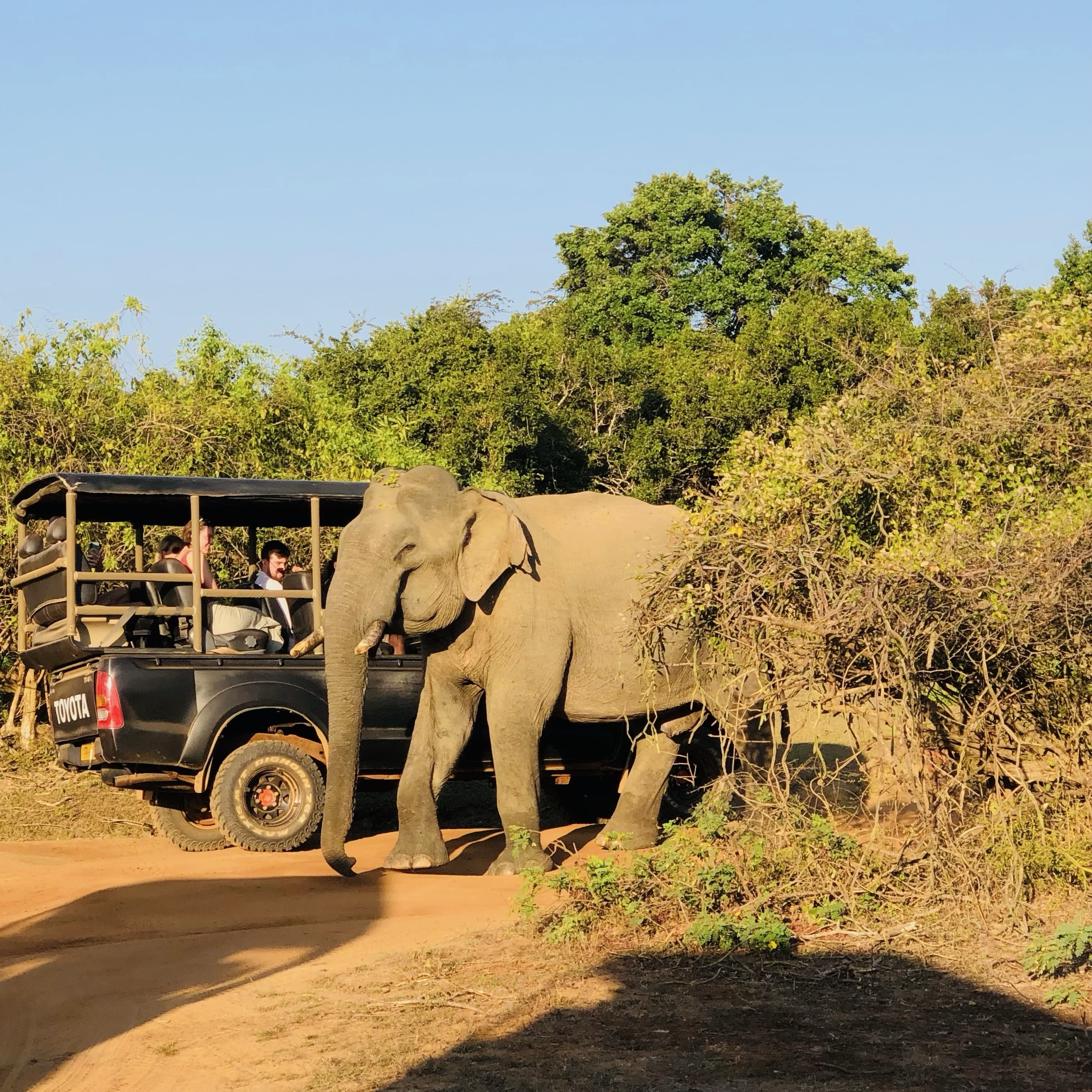
If you're searching for a Yala safari in Sri Lanka without the private-jeep price tag, Discover Yala's shared safari package costs $14 per person — one of the most affordable ways to experience Yala National …
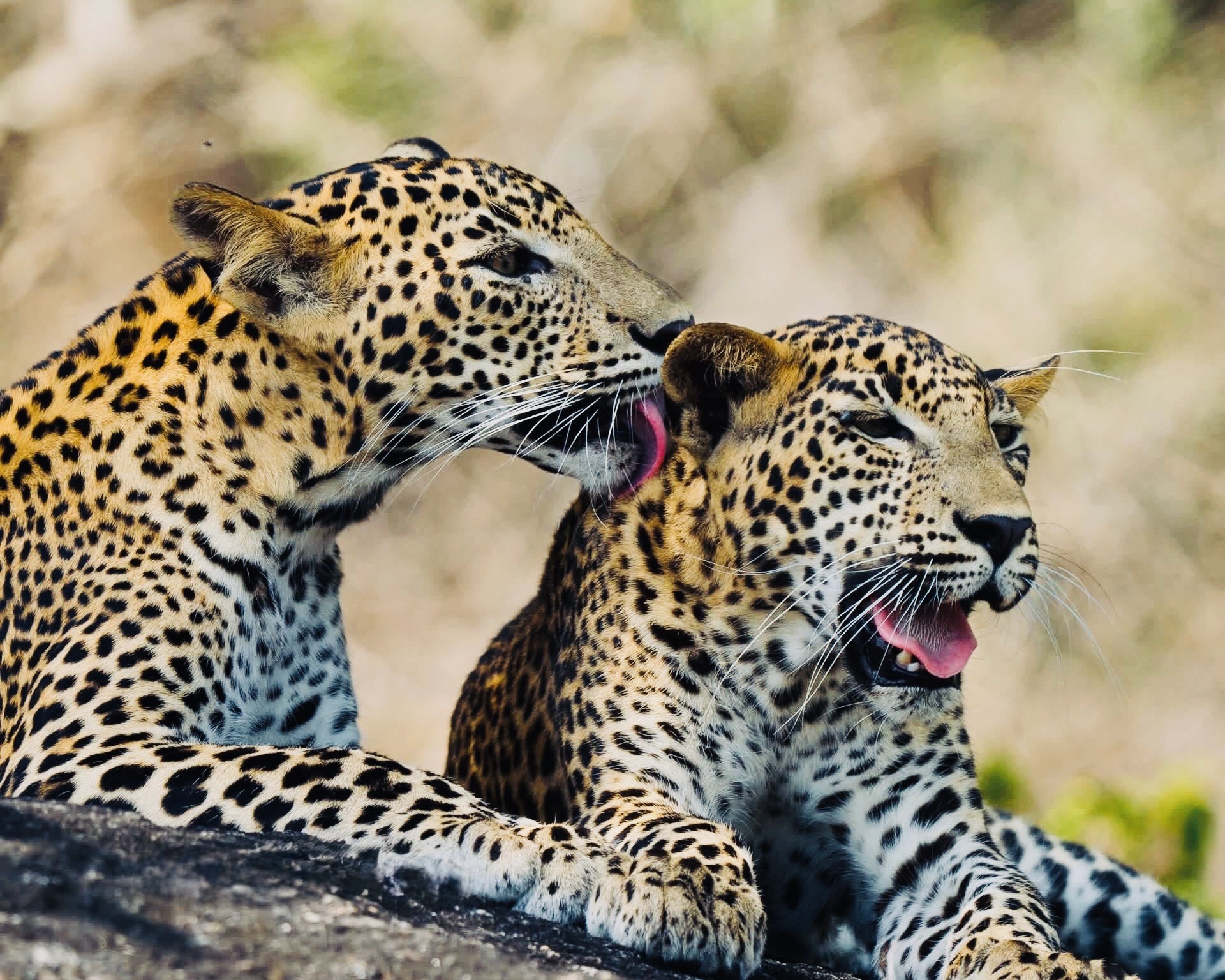
If your Sri Lanka route runs from the south coast up to Ella, you don't need to choose between a Yala safari and getting to your next stop you can do both in one trip. …
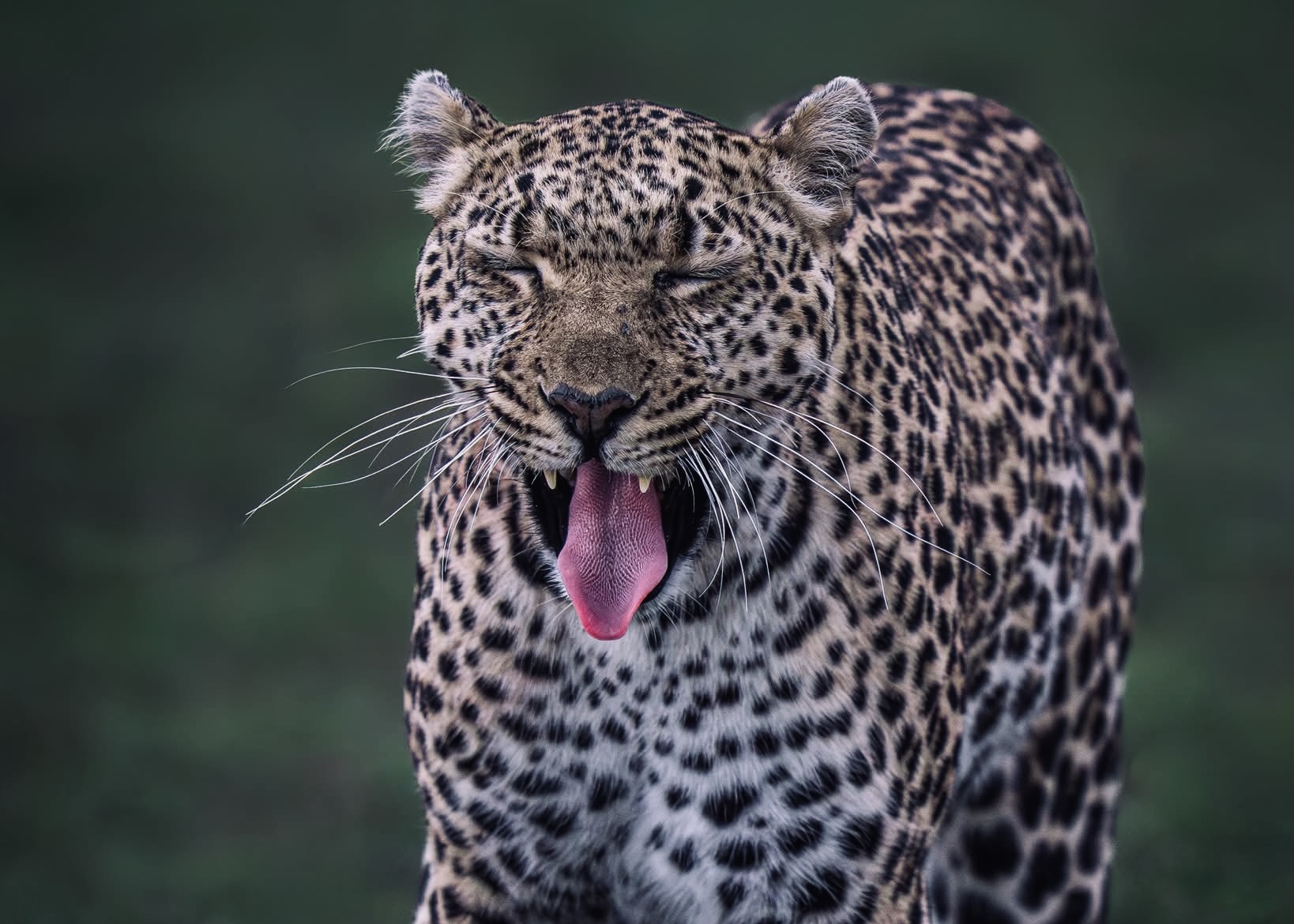
Is Yala National Park Closed? 2026 Closure Dates & What to Do Instead If you're planning a trip to Sri Lanka around September, one question comes up again and again: is Yala National Park closed? …